How to Identify the Pygmy Rattlesnake

How to Identify the Pygmy Rattlesnake thumbnail
Beware of venomous snakes

The pygmy rattlesnake is one of the smallest snakes around but do not let the size fool you. This rattlesnake is fully equipped and can harm you given the chance to bite. Often mistaken for other species, the pygmy rattlesnake is actually quite reclusive. It would much rather stay far away from humans and will do all it can to avoid confrontation. If you live anywhere the pygmy resides, you should be aware of how to identify this dangerous little rattlesnake.

Things You'll Need

  • Binoculars
Show More

Instructions

    • 1

      Learn where to find the pygmy rattlesnake. Pygmy rattlesnakes generally prefer to be in sand hills and coastal plains. Different species reside in North Carolina, Georgia, Tennessee and South Carolina and are most plentiful toward the coast. They will often linger around water sources such as creeks and streams throughout this range.

    • 2

      Avoid the temptation to assume the small stature of these snakes means it is not dangerous. The pygmy rattlesnake is usually around 15 to 23 inches long, but packs a pretty nasty, venomous bite. The rattle is often so small that you do not even hear it when it sounds the warning.

    • 3

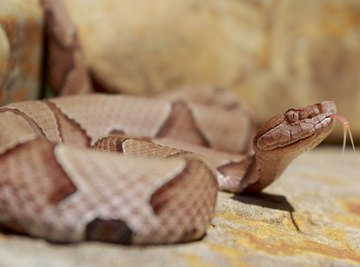
      Notice that the pygmy species vary wildly with color. The dusky pygmy and the Carolina pygmy can both be any number of base colors. They have been known to be red, gray, tan, lavender and even orange. Both species have a row of spots and a bar that runs from the eye to the jawline. This bar is usually black.

    • 4

      Realize that due to the small size, and incredible ability to stay hidden from view, the pygmy is rarely seen in the wild. Though it is not considered endangered, the Pygmy is protected in North Carolina and Tennessee. Most pygmy rattlesnakes that are seen in the wild are found crossing roadways or basking in the heat.

    • 5

      Practice safe viewing if you ever encounter a pygmy rattlesnake. Use binoculars if you wish to get a close-up view. Always give a snake a wide berth, as even the tiny pygmy rattlesnake can strike with lightning quick accuracy. Never attempt to hold this snake.

    • 6

      Remember that the pygmy is very small, and the babies are even smaller. The pygmy gives birth to young that are born with a yellow tail. Much like the North American copperhead, they use this yellow appendage to lure prey close by, wiggling it like a worm.

    • 7

      Realize that the dusky pygmy is often covered in dark splotches and colored black underneath. This can lead to a mistaken identity of the snake, as the tell-tale pattern is often obscured.

Tips & Warnings

  • Always give any snake plenty of space.

  • Keep your awareness level high when in the pygmy rattlers range.

  • Never attempt to handle this or any snake.

  • Bites by the pygmy rattlesnake can be serious.

  • If bitten, get medical attention immediately.

Related Searches:

Resources

  • Photo Credit Tom Brakefield/Stockbyte/Getty Images

Comments

View all 6 Comments

You May Also Like

  • The Habitat of the Pygmy Rattlesnake

    Pygmy rattlesnakes (Sistrurus miliarius) are venomous snakes native to the United States. These snakes have rattles attached to the end of their...

  • Rattlesnakes in Florida

    Florida is home to 50 different snake species. Some harmless Florida species such as water snakes resemble rattlesnakes, but it is easy...

  • Rattlesnake Bite Symptoms

    Rattlesnake Bite Symptoms. Rattlesnakes are among the most venomous snake in the United States. The snake uses its rattle-tipped tail to warn...

  • Difference Between Pygmy & Dwarf Seahorses

    Pygmy and dwarf seahorses make up the smallest of the hippocampus genus of seahorse. Most species rarely grow more than an inch...

  • Where Do Rattlesnakes Live?

    Rattlesnakes are most commonly found living in the central and southern parts of the United States where climates are warmer. Look for...

  • How to Identify the Arizona Ridgenosed Rattlesnake

    The Arizona ridge-nosed rattlesnake is one of the most rare species of rattlesnake in North America. Closely related to the New Mexico...

  • How to Identify a Rattlesnake

    Contrary to popular opinion, rattlesnakes are found in nearly every state in the United States, Southern Canada and South American countries. Although...

  • Facts About North Carolina Timber Rattlesnakes

    The timber rattlesnake (Crotalus horridus) is a venomous species that has a range throughout much of the eastern United States. The timber...

  • What Do Rattle Snake Dens Look Like?

    Rattlesnakes make their dens in various different spaces, anywhere from a hole in the ground to a protected rock ledge. This can...

  • Where Do Hedgehogs Live?

    The natural living environment of hedgehogs is found in Europe and Africa, in both cold and tropical climates. Hedgehogs from cold areas...

  • How to Identify Baby Rattlesnakes

    Baby rattlesnakes are born without their rattle. Rattlesnakes lie dormant during the cold fall and winter months and awaken during the spring....

  • How to Identify a Timber Rattlesnake

    The Timber Rattlesnake (Crotalus horridus) is a widespread rattlesnake in the eastern and central United States. Identifying the Timber Rattlesnake is not...

  • What Is the Difference Between a NC Timber Rattlesnake & NC Diamondback Rattlesnake?

    In the state of North Carolina, there are only three species of rattlesnakes. One is the pygmy rattlesnake that is rarely encountered....

  • How to Treat a Rattlesnake Bite

    Rattlesnake bites are the most common poisonous snake bites in the United States. Almost all of the United States has rattlesnakes, so...

  • Deadly Snakes in Tennessee

    Tennessee has four venomous snakes out of the state's 32 snake species. Each of Tennessee's venomous snakes are pit vipers, meaning they...

  • Snakes in Northeast Mississippi

    Although snakes have a bad reputation for being venomous and dangerous animals, the majority of the 2,900 species found worldwide are harmless...

  • African Pygmy Hedgehog Facts

    African pygmy hedgehogs are insectivores that are found in northern and western Africa. Discover facts about African pygmy hedgehogs with information from...

  • Aruba Island Rattlesnake in Its Habitat

    Extremely rare and poisonous, the Aruba Island rattlesnake (Crotalus unicolor) has seen its habitat diminish to 12 square miles on the island's...

Related Ads

Featured