How to Identify Spiders Around the House

How to Identify Spiders Around the House thumbnail
Identify Spiders Around the House

Spiders come in all shapes and sizes and while most of us are content to simply get a tissue or escort an indoor visitor outside, the fact that spiders can be venomous must be taken into consideration. After all, where there is one spider, there are probably more, and although the brown recluse spider has gotten plenty of press due to its damaging bite, there are plenty of other spiders out there to be wary of. Identifying your spider is the best way to know if you should avoid the eight legged beast or be thankful that it’s eating the flies in your doorway.

Things You'll Need

  • Spider identification chart
  • Camera
  • Local garden shop
Show More

Instructions

  1. H\

    • 1

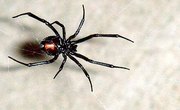
      Note the size and color. Swallow your fear and take a good look. Estimate the size of your spider as well as any relevant markings on its body. Markings vary widely from spider to spider and are the easiest way to identify the “breed.”

    • 2

      Take a photo. So as to limit your contact with the as-yet unidentified spider, try to snap a photo of it so that you can study it more closely without screaming. This also limits your exposure and the surprise of a jumping spider or venomous and unexpected nibble.

    • 3

      Limit your search for information to your region of the country. Different kinds of spiders live in different areas of the country, so performing a search based on where you live, or, in the case of a spider traveling along with a package from another region, where that package came from.

    • 4

      Get a spider chart. If you live in a part of the U.S. that has lots of spideys, having a handy photographic guide for a home may help you to identify quickly the type of spider you have. Available both online and sometimes from your local health department or garden center, having a chart at your fingertips can calm fears after a spider bite.

    • 5

      Buy a book on insects. The National Audubon Society offers great information available via your local library or for purchase at any bookstore. Knowledge is power, and most books of this type include information on how to deal with venomous bites.

    • 6

      Talk to your doctor, garden shop or museum. Got a real unusual bug you can’t find a picture of? Box it up--carefully--and bring it down to your local garden shop or even museum for identification. People love to share their expertise, and you may have an unusual visitor in your attic that requires a special ID. If you have been bitten by this spider, and have a reaction, see your doctor or take the spider to the emergency room to deal with potential complications from the venom.

Related Searches:

Resources

  • Photo Credit Anne Jambor~ Hermine Photo North Liberty, IA

Comments

You May Also Like

  • Identifying House Spiders

    The sight of a spider racing across the floor usually sends chills coursing up and down a homeowner's spine. There are a...

  • Poisonous Spiders in Oregon

    Poisonous Spiders in Oregon. There are several venomous spiders found in the state of Oregon. Bites from some of them are painful...

  • How to Identify Spiders

    Spiders are any arachnids of the order Araneae, of which there are about 40,000 species. They have two body segments, an abdomen...

  • Common Spiders in the House

    The Most Common House Spiders. House spiders can be venomous or non-venomous depending on the variety of spider. Although most spiders are...

  • Brown Spiders in Utah

    Utah's brown spiders use their brown coloration to their advantage when hunting for prey or avoiding potential predators. A spider's brown skin...

  • How to Identify a House Cricket Spider

    Though their common name might suggest otherwise, the "cricket spiders" found in houses are not spiders at all. These crickets, more correctly...

  • How to Identify Missouri Spiders

    There are many different types of spiders living in the southern regions of the United States, and some are even native to...

  • How to Identify Spiders in Connecticut

    Spiders found on the east coast, and in Connecticut specifically, are not very different from those found in other parts of the...

  • How to Identify Spider Species in Oregon

    Over 500 species of spider reside on plants, under rocks and in the corners of homes in the state of Oregon. The...

  • How to Identify Spiders in Utah

    Finding a spider in your home can be frightening. You may start to wonder if there are more like it running around...

  • Types of House Spiders

    There are approximately 2,500 different types of spiders in North America. Most spiders are not house dwellers, instead preferring an outdoor habitat....

  • How to Identify Spiders in Iowa

    Spiders have certain characteristics that set them apart from insects: they lack wings and antennae, have eight legs instead of six and...

  • How Can You Get Rid of Spiders in & Around Your House?

    Spiders are certainly beneficial for the environment because they help control insect populations. But that doesn't necessarily mean you want spiders crawling...

  • How to Identify Hobo Spiders Properly

    Once you've got a picture of the hobo spider, you can begin to identify. The spider is brown, and a larger spider...

  • How to Identify Massachusetts Spiders

    Identifying Massachusetts spiders professionally requires closely studying a spider's genitalia and comparing them to cataloged drawings and photos collected by ...

  • Poisonous Spiders in Iowa

    Poisonous Spiders in Iowa. Although you can find many different species of spider in Iowa, few of them actually pose much danger...

  • How to Identify Spiders in the US

    Most people think of spiders as simply creepy, crawly pests that should be killed on sight. Next time you see a spider,...

  • How to Identify Indoor Orb Weaver Spiders in Utah

    Orb weaver spiders, which seldom bite and are harmless to humans, are well known for their large, round webs. At least 12...

  • Big Spiders Found in the House

    It's a rare home owner who has never dealt with a house spider. Although spiders are generally happier outdoors, they sometimes make...

  • How to ID Colorado Spiders

    There are about 600 species of spiders in Colorado, so it can be difficult to identify every spider you encounter. You can...

Related Ads

Featured