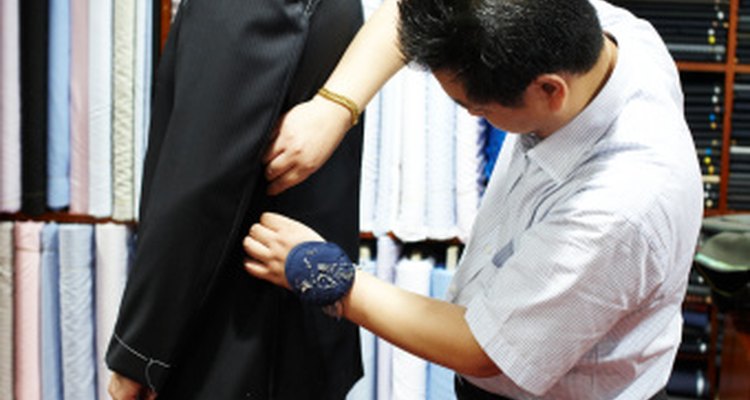
Identifying the width of your body is not only a good indication of how you are gaining or losing weight but it is also an important step to take when purchasing clothes. You want what you wear to be comfortable but still correctly fitted so that you look at your best. It is a simple task to take down the many width measurements required yourself, avoiding a trip to the tailor.
Women
Measure your bust first before working your way down. Have your arms relaxed by your sides and have the friend measure at the fullest part of your bust.
Identify where your trouser line would normally be and measure your waist at this point. Keep one finger in between your body and the tape measure if you are taking the measurements with a view to buying clothes.
Measure your hips at their fullest part. While doing so, stand straight with your heels together.
Identify the widest point on your thigh and buttocks area, by sight, before measuring the area.
Men
Put on a shirt that has a collar that you feel suits you well. Take a measurement of the size of this collar if you are looking to get the width for buying a shirt. For any other reasons, measure around your neck at the base to determine your neck width.
Measure your over-arm width by running the tape around the highest part of your shoulder blades, the fullest part of your arms and along your chest.
Relax your arms by your side and measure your chest at the armpits, running along the highest part of your chest and shoulder blades.
Related Articles

How to Measure a Man's Shirt Size

What Is Inseam vs. Waist Size in Jeans?
How to Measure a Waist

What Is the Average Breast Measurement?
How to Measure Bust Size

How Can I Tell What Size Suit Jacket I ...
How to Measure Legs

How to Measure a Man's Suit Size
How to Measure for Children's Clothes

How to Measure Your Pant Size in Juniors

How to Decrease the Padding in a Bra

What Kind of Body Types Do Levi's Jeans ...

How to Peg Jeans
What Does Bust Size Mean?

How to Take Measurements for a Raincoat
How to Measure Ankle Circumference
How to Measure Jeans' Rise, Inseam & ...
What Size Shirt Is a 4X for Men?
How to Convert From Measurements to ...
How to Size Men's Jeans
References
Tips
- Make sure the tape measure is even on every reading. If it is crooked then your findings will be inaccurate. To do this have it running parallel to the ground while measuring. Also ensure the tape is tight around your body when measuring but avoid stretching.
- Invite a friend to help you. The process of measuring the width of your body is much easier when you have someone to help work out and take down the measurements.
- Remove your clothes with the exception of your underwear. You must make sure your underwear is correctly fitting. Arm yourself with a tape measure and a means of documenting each measurement.
Photo Credits
James Braund/Photodisc/Getty Images