Taiftin/iStock/GettyImages
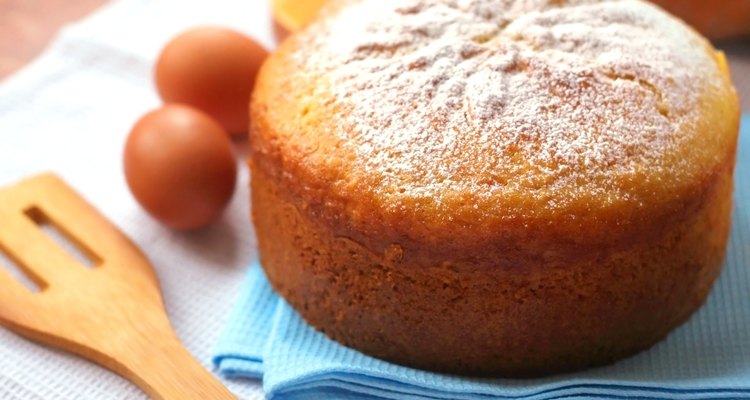
When making a white cake from a boxed mix, the typical ingredients include oil, eggs and water. If you are looking for ways to customize that simple boxed cake or add flavors to compliment a tropical themed party, substituting mango puree instead of the oil your mix calls for adds flavor and color and reduces the fat and calories in your final dessert. When using mango puree, or any other fruit puree, as an oil substitute, you must consider the amount you use and adjust the recipe as needed.
Place your fresh, canned or frozen mango into the food processor or blender and puree to liquid consistency. Set pureed mango aside. Preheat the oven to the temperature your recipe calls for.
Combine all your white cake mix ingredients in a mixing bowl as directed on the back of the box. Stop when you reach the step to add the oil.
Add the mango puree in place of the oil. When substituting fruit puree for oil in a recipe, use half the amount of oil called for. For example, if the recipe calls for 1 cup of oil, measure out 1/2 cup of mango puree. Add the puree to the rest of the ingredients and combine all ingredients as directed with a mixer or spoon.
Pour the cake mixture into a pan and place in the oven. Fruit puree in the place of oil often shortens the baking time required. Check your cake 10 minutes before the recommended cooking time by inserting a toothpick. If your cake mix calls for a 30-minute cooking time, check your cake at 20 minutes. If the toothpick comes out clean, cooking is complete. If the toothpick does not come out clean, check every 1 to 2 minutes until cooking is complete.
Related Articles
How to Add Fruit Puree to Cake Mixes

How to Substitute Oleo for Cooking Oil ...

How to Bake an Eggless Cake With a ...

How to Bake Cupcakes With Mayo Instead ...

How to Thicken Cake Batter
How to Bake a Cake Without Egg Whites

How to Make a White Decorator Icing

Easy Strawberry Cake Recipe

How to Improve a Box Cake Mix for ...

How to Make a Box Cake Mix Taste Better

How to Store Leftover Pancake Batter

How to Make a Dome-Shaped Cake

Can You Use Applesauce in Place of ...

How to Flavor White Cake Mix With ...

How to Make Glaze From Granulated Sugar
How Many Calories in Applesauce?

How to Make Red Velvet Cake From Scratch

How to Make a Two-Layered Birthday Cake ...

What Does Adding Applesauce to Cake Mix ...

How to Braise an Eye of Round
References
Tips
- In addition to mangos, other fruit purees to consider include applesauce, pureed pears and pureed prunes. Remember that the addition of fruit purees will contribute to a flavor change. Choose fruits that complement your cake flavor choice. When using a white cake mix, bright fruit purees like mango will also alter the color of the cake.
Writer Bio
Deborah Lundin is a professional writer with more than 20 years of experience in the medical field and as a small business owner. She studied medical science and sociology at Northern Illinois University. Her passions and interests include fitness, health, healthy eating, children and pets.