
How to Repel Rattlesnakes

How to Repel Rattlesnakes thumbnail
Repel Rattlesnakes

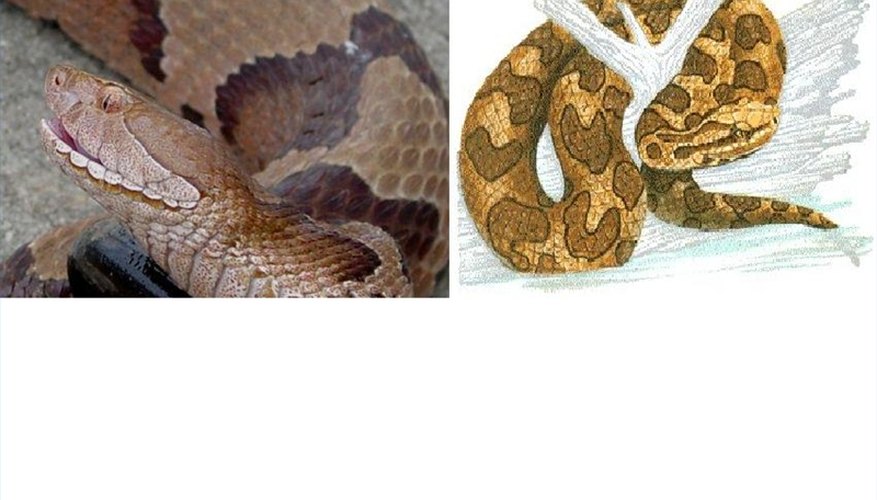
Rattlesnakes have broad triangular-shaped heads and rattles on the end of their tails. You can't necessarily identify a rattlesnake by its rattles, though, because they can be broken or missing among adult snakes. These snakes are equipped with temperature-sensitive pits located on both sides of the head that help them detect prey. They usually feed on rodents and attack them with their two large, folding fangs that inject venom. In the wild, rattlesnakes should be left alone because they don't impose much of a threat. But when they invade homes, people want to get rid of them for safety reasons.

Things You'll Need

  • Lawn mower
  • Tree trimmer
  • Snake-proof fence
Show More

Instructions

    • 1

      Be aware of the possibility of rattlesnakes. It is not easy to find rattlesnake hideouts, but you can be warned of their presence by observing the way your animals behave. Unusual barking and whining from your dog or continuous noise made by geese in the yard might be a sign of rattlesnakes lurking nearby. If your neighbors have reported seeing a rattlesnake, be prepared because there is a big possibility that you will be having the same problem.

    • 2

      Control rodent populations in your area. Rodents living within the vicinity of your home should be properly regulated to discourage rattlesnakes or any type of snakes from hanging around. Rattlesnakes usually stay in places where they can easily find food.

    • 3

      Make your surroundings less attractive to rattlesnakes by mowing your yard regularly. Clear off potential snake homes such as thick bushes and tall grasses, piles of decaying wood or logs, unused boards and rocks. Rattlesnakes also seek cover around empty rodent dens. So after getting rid of ground rodents around your home, make sure to fill empty burrows with soil and tightly pack it down leaving no space for rattlesnakes to settle.

    • 4

      Install a protective fence around your home. This technique can be expensive and needs proper maintenance. These fences should be solid and not larger than a quarter of an inch wide. It should be at least 3 feet tall and its lower ends must be buried within the ground. It will help if the fence is a little bit slanted outward so that it will be difficult for rattlesnakes to climb on it. Shrubs or any type of trees growing near the surface of the fence should be cut to prevent rattlesnakes from crawling through it to get to your yard.

    • 5

      Seal any cracks around your home. Rattlesnakes tend to search for cooler, damper areas during the summer so it is advisable to cover existing crevices around garage doors or beneath basements to prevent them from entering these areas. Water or swimming pool pumps should be properly covered as well. Moist places in your yard, such as water fountains in your garden or any existing ponds, are ideal places for rattlesnakes.

    • 6

      Contact an experienced snake hunter or any professional pest control company that deals with the removal of snakes. They can place a hose inside the burrow and when the presence of rattlesnakes is confirmed, gasoline is poured into the burrow. This drives the rattlesnake out of the hole and then the professionals can either kill, shoot, trap or capture it.

Tips & Warnings

  • Home remedies such as scattering mothballs around your yard or sprinkling dusts of sulfur have been suggested to repel rattlesnakes, but these techniques have never been proved effective.

  • Aside from dogs and geese, domestic turkeys and peacocks are also excellent at giving warnings if rattlesnakes are present nearby.

  • Rattlesnakes are capable of striking back and are very fast, so do not deal with them on your own if you are inexperienced.

Related Searches:

Resources

  • Photo Credit Creative Commons License, by: Mr Nikon, copyright: July 2008, Creative Commons License, by: SpooSpa, copyright: April 2006, Creative Commons License, by: cleanairgardening, copyright: October 2006, Creative Commons License, by: lucycat, copyright: June 2005

Comments

You May Also Like

  • How to Repel Rattlesnakes

    Repelling rattlesnakes requires the use of spray materials and exclusionary materials to physically keep snakes from getting in a house. Discover methods...

  • How to Use Mothballs as Snake Repellent

    Although most people use mothballs to deter moths from eating their favorite wool sweaters, some use them as a snake deterrent in...

  • What Garden Plants Repel Snakes?

    There are no garden plants that repel snakes, but most snakes that hang out in a garden are harmless and can actually...

  • Homemade Rattlesnake Repellent

    For many people, nothing is more terrifying than a rattlesnake. The slithering, slimy creatures are what many nightmares are made up of,...

  • How to Avoid Rattlesnakes

    In the wilderness, rattlesnakes should be left alone if possible. However, if you come upon one while hiking, or around your home...

  • How to Get Rid of Rattlesnakes

    There are 16 varieties of rattlesnakes, also known as pit vipers--a type of venomous snake having two pits under the nose to...

  • Indoor Calathea Plants

    Indoor Calathea Plants. Plants in the genus Calathea are primarily grown for their spectacular foliage and fuzzy texture. They are primarily tropical...

  • How to Cure Rattlesnake Skins

    Curing a rattlesnake's skin is a method of preserving the skin to prevent it from rotting. Many enthusiasts mount rattlesnake skins for...

  • How to Kill a Rattle Snake

    Rattlesnakes are venomous snakes that can be found under rocks on hills and mountains. They live in dry areas and will attack...

  • The Rattlesnakes in Oregon

    Out of the approximately 30 species of rattlesnakes, only one, the western rattlesnake, lives in Oregon. Two subspecies of the western rattlesnake,...

Related Ads

Featured