This Season
 

How to Work With Accent Colors

How to Work With Accent Colorsthumbnail
Color Wheel

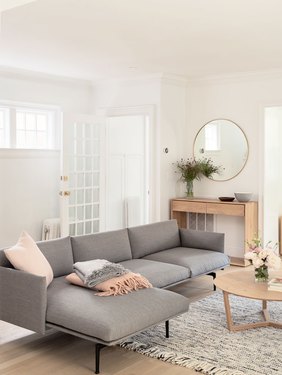
You’ve just repainted your living room. The walls are a subtle shade of sandy brown. The sofa is a darker brown. The carpet is off-white. It’s pretty, but boring. You need to spice up the room using some accent colors.

Related Searches:
    Difficulty:
    Moderately Easy

    Instructions

    Things You'll Need

    • Color wheel
      • 1

        Pick a color that you like from a painting that is hanging in the room or from that piece of pottery that’s sitting on the end table, and use that hue as your accent color. If your room is warm, such as orange, pick an accent color that comes from the cool side of the color wheel, such as blue. (A color wheel can be purchased in most home improvement stores.) Conversely, if your room’s color scheme is cool, select a warm color for the accent pieces.

      • 2

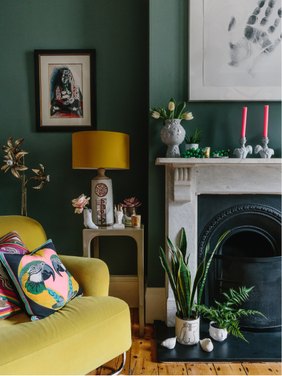
        Select a color that is a complete contrast to your key color. If the couch is yellow, buy or make some hot pink throw pillows to toss on the couch.

      • 3

        Pick a color for the accent pieces that is harmonious rather than contrasting. If your couch is a hunter green color, select cushions that are yellow green or navy blue. If the key color in the room is burgundy, select accent colors in the violet or pink families. These are harmonizing colors and are found next to each other on the color wheel.

      • 4

        Working with a neutral background is the easiest because you can use a variety of accent colors and mix up contrasting colors with harmonious colors. If your walls are beige and your couch is tan, the options are nearly limitless. Consider using black as an accent color, because it makes a bold statement when combined with a neutral color scheme.

      • 5

        Apply your chosen accent color to the crown molding or to the fireplace mantle. The accent color, or colors, can be used wherever you choose.

      • 6

        Decide if you want to go for the strong, contrasting accent color (a red pillow on a yellow couch) of if you would prefer less contrast and more subtlety. If that’s the case, use harmonious colors (brown pillows on a beige couch). You’ll still be making use of accent colors, just not as vividly and boldly.

    Tips & Warnings

    • Buy a color wheel, and learn more about colors and what does or doesn't go together. However, it's your room, so if you like a wild combination of colors, go for it.

    • If you prefer a monochromatic theme where there is little color, then spare the accent colors altogether. Pick what you like. You're the one who is going to live with it.

    Related Searches

    Resources

    • Photo Credit http://www.moontress.com/images/ColorWheel.gif

    Read Next:

    Comments

    You May Also Like

    Follow eHow

    Related Ads