How to Grow a Window Sill Herb Garden
Nothing brings life to a mundane meal like fresh herbs, particularly in the middle of winter when snow is piling up outside. The problem is herbs are difficult to buy in the winter months. Fortunately for you, you can grow your own in a window sill herb garden. Does this Spark an idea?
Instructions
-
-
1
Evaluate your use of fresh herbs to determine which herbs you want to grow. Consider you favorites and how often you actually use them.
-
2
Choose 3 to 5 herbs that you use on a regular basis. Some good choices are basil, oregano, chives, thyme, lemon balm, mint, rosemary or sage. You may wish to include others in your windowsill garden. It really doesn't matter which you choose as long as they are herbs you will use and enjoy.
-
-
3
Purchase seedlings at your local nursery or dig up a section of herbs you already have growing in your garden. Check with family, friends and neighbors who grow herbs. They will probably be more than happy to give you a small section of their herbs to grow in your windowsill garden.
-
4
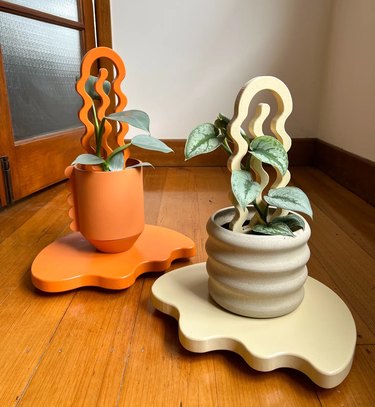
Purchase individual pots or a window box, if you have room for one on your window sill. Keep in mind the style and decor of your home and choose a planter that will complement your home. Terra-cotta will blend well with any decor.
-
5
Place small stones or broken shards of pottery on the bottom of the planter to provide good drainage.
-
6
Fill the planter 3/4 full with a good all-purpose potting soil.
-
7
Transplant the herb plants into the planter and firm the soil around the roots. Add more soil, if necessary. Always plant herbs to their original depth and avoid planting too deep.
-
8
Water thoroughly and keep the soil moist for the first week until the herbs have established a good root system.
-
9
Set your windowsill herb garden in a sunny window that receives plenty of direct light during the winter months. A south or southwestern window will provide the light they need to thrive.
-
10
Water whenever the soil dries out, but avoid excessive watering.
-
1
Tips & Warnings
Occasional watering with a water-soluble fertilizer may be needed, but use caution. Herbs do not require excessive fertilizers and may produce more flavor if grown with the addition of fertilizer.
Clip young leaves to use in your favorite recipes and allow the herb to continue to grow to provide a source of herbs throughout the winter.