How to Grow Blackberries
If you fondly remember summers spent braving the thorns in patches of wild blackberries, recreating that experience is as easy as putting in a few blackberry bushes in your own garden. Since ripe blackberries have a very short shelf life, they are a rare find in most markets, making a blackberry patch of your own the best source for this summer fruit packed with vitamins and antioxidants. These days, there are even varieties that are thorn-free available for planting, although the traditional thorny varieties tend to be hardier and produce larger, more flavorful fruit. Does this Spark an idea?
Instructions
-
-
1
Plant blackberry seeds at home to grow your own seedlings for the garden. Blackberry seeds must be stratified to ensure proper germination. To do this, seeds can be sown in a cold frame in the fall, allowing them the period of cold dormancy that spurs spring germination. Storing seeds in moist peat moss and refrigerating them for at least 4 weeks can simulate the necessary winter conditions, allowing the seeds to break dormancy for spring growth. Start seeds indoors very early in the spring or even late in the winter to ensure that seedlings have gained enough size for successful transplantation into the garden after the threat of frost has passed.
-
2
Purchase starter plants from a garden center or nursery if you prefer faster and easier results. However, be sure to select healthy, hardy plants. Many of the better nurseries will offer a guarantee against certain common diseases and defects with purchase, a benefit worth seeking out when shopping for your blackberry plants.
-
-
3
Choose a location for your blackberry patch. Blackberries will spread out if given the chance, so avoid planting too close to flowerbeds or vegetable gardens. Blackberries prefer well-drained soil, so don't plant them in low-lying areas where water tends to pool after rain falls. Loose, light loam is ideal, but blackberries will grow in a variety of soil conditions, especially if soil is amended with a good amount of organic matter. An area that receives full sun is best, as blackberries will produce fruit most prolifically under these conditions, but they will tolerate partial shade. Good air circulation is important to prevent fungus growth and disease.
-
4
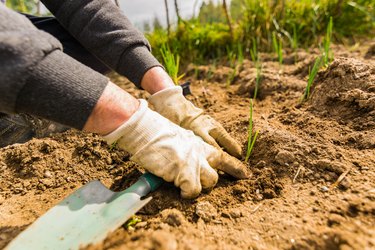
Plant your blackberry seedlings outdoors as soon as the soil warms in the spring and the threat of frost has passed. Be sure to loosen soil deeply in the area to ensure good root growth. Dig a large planting hole for each of your young blackberry plants, ensuring enough room to accommodate the roots without bending. Space your plants about 3 feet apart, and allow 5 to 6 feet between rows. Place plants at approximately the same depth or a touch deeper than they were in their containers, then refill the planting hole with soil, making sure to gently tamp soil around the roots to remove air pockets. Water thoroughly immediately after planting.
-
5
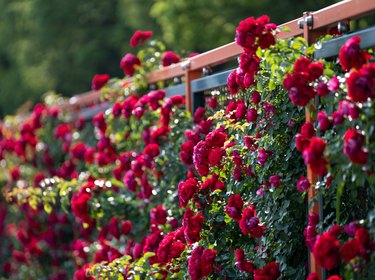
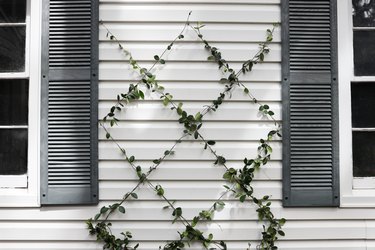
Water regularly during the first season of growth, at a rate of about 2 inches of water a week during dry periods. Mulching can be very beneficial to young blackberry plants, helping to retain moisture in the soil and discourage weed competition. Blackberry canes can be trained to a trellis for easier harvesting and a more orderly appearance.
-
1
Comments
-
emallory
Jul 26, 2010
I recently visited my old blackberry bushes from when I was a kid in Maryland. I took home two berries and allowed them to dry on the countertop. Is there any chance of "sprouting" these seeds and growing plants? The berries have dried rather rock-hard at this point. It's been about 4 weeks since I picked them.