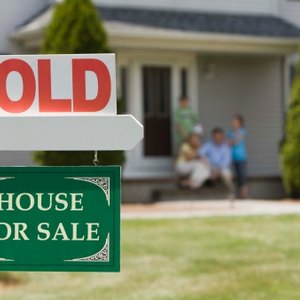

How to Sell a Home Myself
When making a decision to sell your home, you have two options. One possibility is to engage the services of a Realtor. The other is to handle the process of selling the home yourself. If you choose to go with the latter option, be aware that the process can be very time-consuming and involve a huge amount of detail. At the same time, you can save a sizable amount of money by avoiding commissions.
Things You'll Need
- Certified inspections
- Comparative market analysis
- Deed
- Purchase agreement
- Attorney
Instructions
-
-
1
Acquaint yourself with all types of documentation that must be filed with local regulatory agencies before the sale can take place. Depending on where you live, all these functions may go through the local probate or registry office. As a rule, you must produce copies of your deed, documents that show the plumbing and wiring have been inspected by professionals certified to operate in the area and documents related to the current status of taxes due on the property. Other documents may also be required, so always check before beginning your efforts to sell the property.
-
2
Arrange for a comparative market analysis to be conducted. The CMA essentially makes sure your house is priced in a range that is compatible with the local market. The analysis will consider such factors as the location of the house and property, the size of the home and any amenities that impact the overall value. For a fee, a local Realtor can arrange to have the CMA conducted for you. Otherwise, check with your local probate or registry office on how to make arrangements for the analysis.
-
-
3
Set up a procedure with a local mortgage lender to prequalify potential buyers. This will cut down on the time it takes to determine if a buyer is credit-worthy. Your bank may be able to perform this task for you, or a local mortgage company may provide this service for you for a fee.
-
4
Determine the price range you consider acceptable for the property. While you will not advertise anything other than the top figure of your range, this will allow you to already have an idea of how low you are willing to go on the final price.
-
5
Compile a description of your home and property. This will be used to create flyers and to run ads in print and online media outlets. Make sure to include essentials such as the number of bedrooms and bathrooms. Also mention the size of the lot as well as the square footage for the home proper. Don’t forget any amenities, such as a patio, bonus rooms or a garage. Double-check your ad against advertisements in the local newspaper to see if you have overlooked anything that might interest potential buyers.
-
6
Prepare your advertising media. In addition to advertisements in local classifieds, make use of signs posted in your front yard and flyers that can be posted at bulletin boards in local laundromats and supermarkets. Look for other local print publications that allow free advertising as well.
-
7
Draft the purchase agreement and bill of sale. Samples can be obtained from the local probate or registry office. Online samples may also be helpful. Just make sure any online templates comply with local regulations.
-
8
Make sure your paperwork is in order. Before accepting a sale and filing the documents, have them looked over by an attorney who specializes in real estate matters. This will minimize the chances of the documents being rejected and thus delaying the sale.
-
1
Tips & Warnings
Don’t try to handle everything on your own. Make use of professionals to qualify the content of the legal documents and to make sure the house and property is inspected properly. In the long run, this will save you a lot of time and money.
Many potential buyers assume that when the owner sells a home, the purchase price is automatically lower. Others may assume it will be easier to negotiate a lower purchase price. Be prepared to stand firm and not accept less than you think the property is worth.