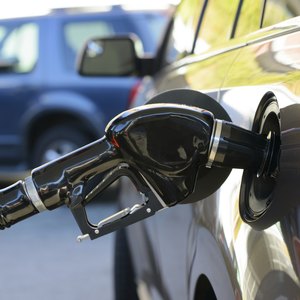


The best time to buy gasoline obviously depends on your definition of “best.” Are you looking for short lines, low prices or better deals? Knowing how gas prices go up and down, when lines are shortest and when deals might be available will help you find the best time to get gas, based on your situation.
Why Do Prices Change?
You might have noticed that a gas station near you has higher prices per gallon when you come home from work in the evening than when you passed it on your way out in the morning. Didn’t the gas station already pay for the gas? Wasn’t the oil drilled months ago, put on a ship and refined weeks ago? What would cause the price of gas that’s already in the station’s underground storage tanks to change each day?
Gas prices are set based on market prices. If the price of oil goes up or down enough during the day, gas stations (owned or leased by large corporations) receive a message from their company to change the price of gas. In addition, gas stations near other gas stations want to remain competitive and will raise or lower their prices to be the same as their competitors, or a penny or so below their price.
Read More: How to Pay at the Pump With a Credit Card
Find the Lowest Prices
If you want to pay less for gas, fill up on Mondays and avoid Fridays, Saturdays and Sundays, according to the gas-tracking website GasBuddy. GasBuddy tracks gas prices at stations around the country, and their data shows that prices are lowest early in the week, before consumers get set to do extra driving on the weekend.
Gas companies know consumers need to fill up for weekend trips and errands and tend to jack up prices at that time.
Read More: Why Is My Debit Card Being Declined at Gas Pumps?
Find the Shortest Lines
Sundays and Mondays have the shortest wait times to buy gasoline, according to GasBuddy. However, with Sunday being one of the highest-priced days of the week to buy gas, Monday is the clear winner for the “best” time to buy gasoline if you are looking for a combination of low price and short wait time. GasBuddy specifically recommends Mondays and Tuesdays between 7 a.m. and 10 a.m. for filling up if you want short wait times.
Tips for Buying Gas
If you shop at a grocery store with a loyalty program, like the Kroger family of stores, you get gas points when you buy groceries, which can be redeemed when you fill up. Kroger offers up to $1 per gallon off, based on how many points you’ve earned, and at participating Shell stations. Filling at the end of the month (when you’ve earned all your points for the month) will get you the most points and the biggest discount. Publix sells $50 gas cards for $10 at different times during the year.
If you’re setting your pump to dispense gas automatically, don’t use the fastest setting – this can increase the amount of vapor that gets into your tank, triggering the pump’s vapor recovery system. This can cause you to get less gas than you pay for.
References
Writer Bio
Steve Milano has written more than 1,000 pieces of personal finance and frugal living articles for dozens of websites, including Motley Fool, Zacks, Bankrate, Quickbooks, SmartyCents, Knew Money, Don't Waste Your Money and Credit Card Ideas, as well as his own websites.