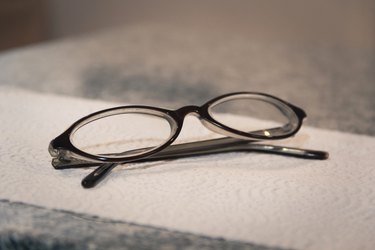
Plastic is ubiquitous in the modern world -- among its multiple decor and practical uses, it's the material that covers automobile headlights and the most common material for eyeglass lenses. As anyone who wears glasses knows, clear plastic dulls and can sustain small scratches, and instead of staying transparent, it becomes translucent and, eventually, nearly opaque. Most plastics tend to dull in this manner over time. Restoring and polishing plastic doesn't necessarily require specialty materials -- everyday inexpensive household items will do the job.
A Variety of Treatments
Video of the Day
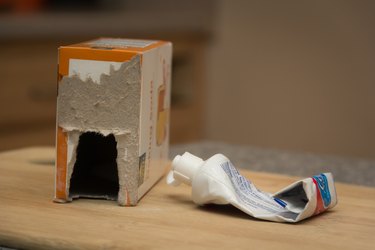
To remove scratches from or restore plastic that has been damaged by exposure to the elements, including ultraviolet sunlight, you need a fine abrasive. Conventional polishing pads and coarse sandpaper will only add more damage to the plastic. You can buy plastic polishing kits that contain the solvents and abrasives you need to polish items such as headlight lenses, and you can get excellent results by following the instructions. Several ordinary household materials will do a comparable job, however, including toothpaste, baking soda and silicon-carbide sandpaper.
Video of the Day
Preparing to Polish
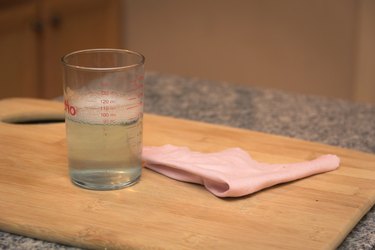
If the plastic you want to polish has been in a harsh environment, it may have a greasy coating that will interfere with the polishing process. You can usually remove this coating by wiping the plastic with a mild detergent solution. Do the job with microfiber or cotton cloth -- plastic can develop an electrostatic charge that attracts the fibers of fluffy materials, such as wool. If the plastic is deeply etched, use a 50-50 solution if vinegar and water. Vinegar is a mild acid that can amalgamate some of the minor pits and scratches. It smooths the surface and makes polishing easier.
Polishing with Toothpaste or Baking Soda
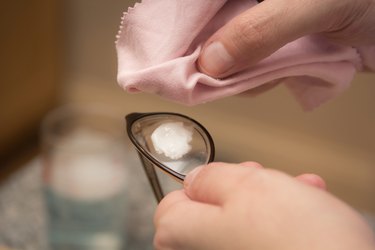
Toothpaste and baking soda are both mild abrasives that you can use to polish plastic. For deeply etched or discolored plastic, squeeze non-gel toothpaste directly onto the surface and rub it in a circular motion with a microfiber or cotton cloth. As an alternative, make a paste with baking soda and water, and rub it into the plastic in the same way. You can use baking soda or toothpaste to polish plastic eyeglass lenses, but it should be gel toothpaste, which is not as abrasive as the traditional white variety and is safer for delicate surfaces.
The Sandpaper Method
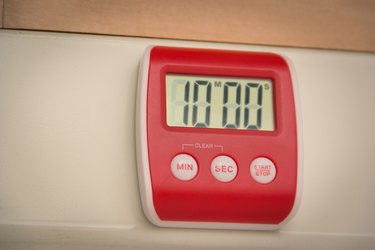
Sanding plastic with progressively finer sheets of wet/dry sandpaper is the best way to polish it, because each sandpaper grit erases the scratch marks of the previous one, and on the final pass, you can use sandpaper finer than any household abrasive. You need silicon-carbide -- or wet/dry -- sandpaper, and you should immerse each sheet you use in water for at least 10 minutes before you use it. A typical progression begins with 320-grit, progresses to 400-, then 800- and finishes with 1,600- or 2,000-grit paper. Sand lightly and in a circular motion, and wipe the sanding residue off with a microfiber cloth after you've finished with each grit type.