
JackF/iStock/Getty Images
A carat (or karat) is a unit of measurement for gemstones and is one of several factors that determine the value of a garnet. Just as the four C’s--cut, clarity, carat and color--determine the price of a diamond, they apply to the cost of a garnet.
How Color Determines Price per Carat
multashka/iStock/Getty Images
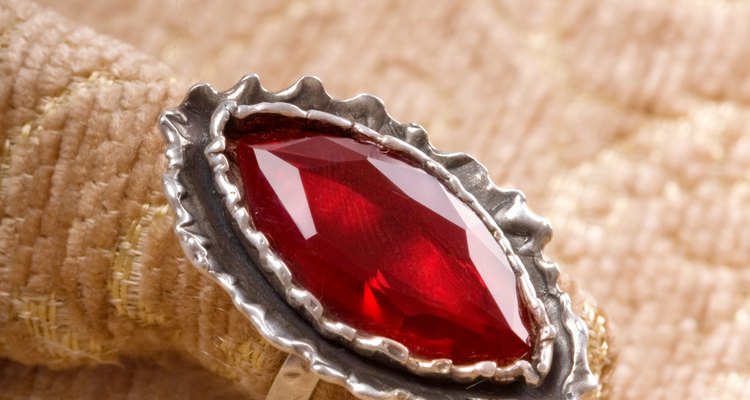
Garnets come in almost any color, and different colors fetch different prices. In 2010, a red garnet costs $20 to $30 per carat; a bright orange garnet, known as mandarin garnet, costs over $100 per carat. Dark green garnets are known as Russian demantoid garnets cost over $400 per carat.
How Quality Determines Value
Industrial garnets are stones used as abrasives, because they are very hard. However, their quality is low and would not make attractive jewelry if cut. These stones are very, very cheap per carat.
How Cut Determines Cost
Rozaliya/iStock/Getty Images
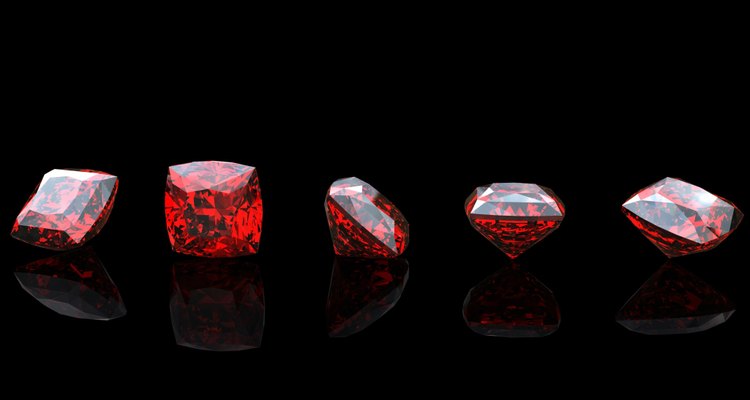
Just as with any stone, the quality of the cut affects the amount of “sparkle” that comes from a gemstone. A good cut can show off the clarity of a gemstone or even cleverly hide inclusions, which are internal flaws.
Related Articles
The Value of Commercial Grade Diamonds
Which Types of Gems Are Most Expensive?

Kunzite Pricing Guide

Information on African Rubies

How to Tell If a Gem Is a Kunzite?
Types of Valuable Crystals
Physical Characteristics of the Ruby ...

Difference Between Manmade & Natural ...
Tanzanite Vs. Diamonds
What Is 18 Carat Gold?
List of the Types of Semi-Precious ...
Titanium Versus Silver Rings
Cubic Zirconia Vs. White Spinel

What Is 916 in Jewelry?

What Does VSOP Mean?
Strontium Titanate Vs. Diamond
What Is Ceylon Sapphire?

How to Identify Red Jasper
What Is the Range of the Cost of Pearls?

How to Tell a Real Tiffany's Necklace ...
References
Writer Bio
Linda Zukauskas began writing in 1989. She is now a freelance writer for nonprofits and municipalities. Zukauskas is also a reporter for "Voices" newspaper. Her work has appeared in various online publications. She graduated from the University of Connecticut with a Bachelor of Arts degree in English.
Photo Credits
JackF/iStock/Getty Images