How to Plant a Vegetable Garden in Georgia

How to Plant a Vegetable Garden in Georgia thumbnail
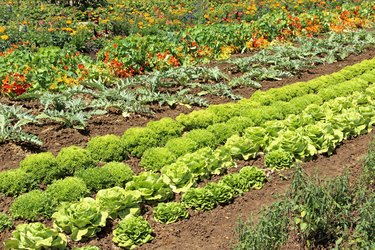
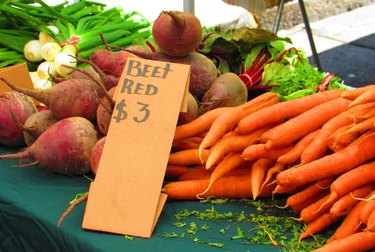
Vegetables Growing at Callaway Gardens

These days, many people are opting to plant vegetable gardens. Besides being an enjoyable outdoor activity, growing your own vegetables can save you money, make your food taste better and lessen your worry about pesticides and contamination. Georgia gardeners enjoy one of the best climates for gardening. Everyone knows Georgia can produce delicious peaches, peanuts and onions, but gardeners have many plant choices available to them, year-round. However, Georgia's diversity in weather can make things a bit confusing for the novice. Read below for ways to determine your climate and heat zones, choose the right plants and prepare your soil properly. Does this Spark an idea?

Instructions

    • 1

      Determine your climate zone. Climate zones are designated according to the average annual minimum temperature and will need to be a factor in deciding which veggies to plant. Georgia's three zones include the Middle South (zone 7) with an annual minimum average low of 0 to 10 degrees, the Lower South (zone 8) with an measuring between 11 and 20 degrees and the Coastal South (zone 9) with 21 to 30 degrees as its annual minimum average temperature. The majority of Georgia is in the Lower South region. The northernmost mountainous areas along the Tennessee and Alabama border are considered the Middle South, as is a small area north of Atlanta near I-75. The southernmost and coastal areas, including Savannah and the Okefenokee Swamp are considered the Coastal South. The exception is a small area just north of Tallahassee, Florida, that is designated Lower South. If you are unclear as to which climate zone you live in, consult a gardening book with a map of the zones, such as The Southern Living Gardening Book.

    • 2

      Determine your heat zone. Heat zones, another major factor in plant choice, is of particular importance in Georgia due to the state's diversity in this category. Although in general, the Middle South is zone 7, the Lower South is zone 8 and the Coastal South is zone 9, it is important to determine if your area is a bit hotter or colder than others in your climate zone. Georgia contains 6 separate heat zones, making it the most varied state for temperature in the South. Heat zones are determined by calculating the number of days that reach 86 degrees or above per year. Zones are numbered 1 through 12, with the highest numbered zone designating the hottest parts of the country. Within the state of Georgia, you find zones 5 through 10, with anywhere from 31 to 180 days above 86 degrees annually. Zone 10 is mostly restricted to the Okefenokee Swamp, a small oasis within zone 9 which covers the largest part of the state. Zone 8 is found along the coast and in a band that stretches diagonally across the state beginning with the city of Columbus and moving north toward Macon and Augusta. Atlanta is considered to be part of zone 7, an area that also encompasses the northwestern borders with Alabama and Tennessee. Northeast of Atlanta, between I-75 and I-85, includes zones 6 and 5, with 5 being a very small area near the Blue Ridge mountains.

    • 3

      Now that you have identified your zones, determine which vegetables you would like to plant. Vegetables that grow well in all of Georgia's zones include tomatoes, radishes, peppers, carrots, peanuts, beans, eggplant, cucumber, corn, potatoes, cauliflower, peas, onions, okra, broccoli, celery, artichokes, garlic, zucchini, cabbage, lettuce and turnips. Asparagus, parsnips, horseradish, rhubarb, sweet potato and radicchio will only grow in either the Middle South or Lower South regions. Those that live in the Coastal South can try avocado, jicama, ginger and cardoon. Although most Georgia vegetable gardening takes place in spring and summer, the Coastal South is perfect for winter gardening. In this area the cool-weather crops of broccoli, celery, potatoes, cauliflower, peas, carrots, beans, onions and radishes are sure to thrive.

    • 4

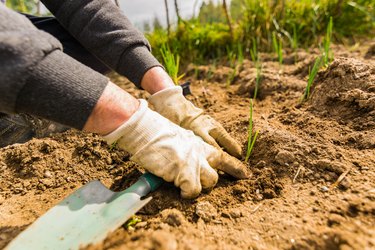
      Before you plant, you must give the veggies a good home by carefully preparing the soil. Make sure all weeds are pulled and determine if your soil needs amendment. Throughout much of Georgia, clay soils abound. While clay is the best at holding nutrients, it does not allow much air flow and is slow to drain. If your yard is high in clay content, you will need to add some compost to improve it. Many Georgia gardeners plant their gardens in raised beds to help combat the drainage problem. If in doubt, take a sample of your garden soil to your county extension office. The people there can analyze your soil and tell you if it is high in clay content as well as a whole host of other information such as if it is acidic or alkaline. This information will help you to determine what amendments are needed and how to feed your plants.

Related Searches:
  • Photo Credit http://georgiamagazine.com/anonymous/upload/Vegetable-Garden.jpg

Comments

You May Also Like

Related Ads

Featured