While soap and warm water is the best cleaning solution for most types of jewelry, there are times when your jewelry needs a more intense cleaning. For example, you may have inherited an old piece of jewelry that hasn't been cleaned for years, or you may have found a piece of jewelry from your youth that was shoved in the back of your jewelry box. In either case, an alcohol bath and an ammonia solution may be just what you need to make your jewelry shine again.
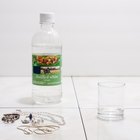
Soak the jewelry in the alcohol for two to four hours. This should remove most of the greasy buildup from the jewelry.
Rinse the jewelry thoroughly under warm running water.
Combine 1/2 cup ammonia with 2 cups of water in a cup.
Dunk the toothbrush in the ammonia solution and scrub the jewelry with the brush. Make sure to squeeze the bristles into the jewelry's crevices for optimum cleaning.
Rinse the jewelry thoroughly under warm running water.
Allow jewelry to air dry. Rub with a washcloth to increase shine.
Related Articles
How to Store Silver Jewelry So It Won't ...
Homemade Cleaner for Oxidized Jewelry
How to Clean Swarovski Jewelry

How to Clean Palladium Jewelry
Homemade Gold Jewelry Cleaner
How to Clean Silver Jewelry With Vinegar
How to Take Out Scratches From Silver ...
How to Shine an Antique Diamond Ring
How to Clean Sterling Silver & Opals
How to Clean an Amethyst Ring
How to Polish a Dull Amber Ring
How to Clean a Diamond Ring With ...
How to Use a Jewelry Polishing Cloth
Harmful Effects of Wearing Magnetic ...
How to Clean Jewelry With Club Soda
How to Sterilize Body Jewelry
How Do I Clean Cubic Zirconia Earrings?
How to Clean Sterling Silver Jewelry ...
How to Soften Patent Leather
How to Sterilize Earrings
Writer Bio
Keren (Carrie) Perles is a freelance writer with professional experience in publishing since 2004. Perles has written, edited and developed curriculum for educational publishers. She writes online articles about various topics, mostly about education or parenting, and has been a mother, teacher and tutor for various ages. Perles holds a Bachelor of Arts in English communications from the University of Maryland, Baltimore County.