Tip
Brush lionhead rabbits more frequently when they are shedding to prevent them swallowing too many loose hairs.
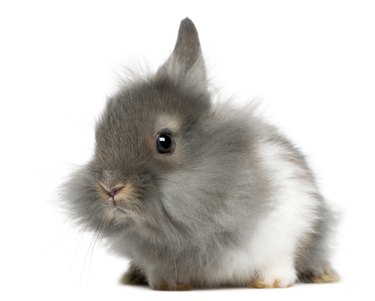
Most rabbits do not need much grooming as they keep themselves clean. However, lionhead rabbits require regular grooming as otherwise their woolly fur can become matted. Lionhead rabbits may develop wool blocks in their intestines if they swallow too much fur. Regular brushing reduces the risk by removing loose hairs. Aside from the necessity, regular grooming sessions also provide an opportunity for you to bond with your pets.
Step 1
Take your lionhead rabbit to the vet for an initial checkup shortly after you adopt it. During the checkup, ask the vet to show you how to clip the rabbit's nails properly and ask any other grooming questions you have.
Video of the Day
Step 2
Hold your rabbit on your lap for weekly grooming sessions. Carefully comb out any developing mats in the fur. Start at the tip of the fur and work in toward the roots in stages, as you would remove a knot from a child's hair. Don't pull the fur and don't let the teeth of the comb touch the rabbit's skin, which is delicate.
Step 3
Brush all the fur on the rabbit's back and sides. This is to remove loose hairs and prevent more mats developing.
Step 4
Check the rabbit's teeth. Provided the rabbit has plenty of twigs to gnaw, its teeth should be healthy. However, keep an eye on its teeth and if they appear overgrown, take the rabbit to the vet.
Step 5
Clip the rabbit's nails, if necessary. Trim a little off each nail at a time and make sure you don't cut through the quick.
Step 6
Examine the rabbit's ears and eyes to check they are clear with no discharges. If you see anything unusual, contact your vet.
Video of the Day