
How to Use Snow Blades
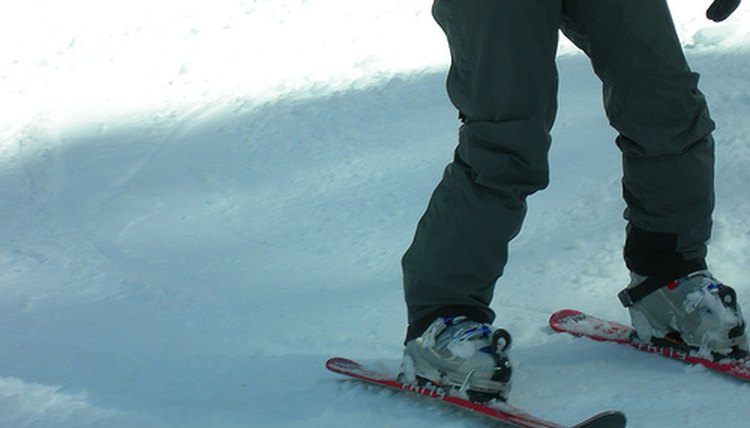
While Snowblades is actually the brand name of a popular ski board introduced by Salomon in 1998, many new and experienced ski boarders refer to the sport as snow blading, or ski blading. The sport itself has been around since the 1960s. Snow blades are much shorter and wider than skis, and both ends are usually rounded. They are often used without poles in a method that is sort of like roller blading. They are perfect for everything from snow blading in deep powder to doing extreme tricks.
Getting Ready
Choose snow blades that are the proper length and width for your body and preferred ski blading style. Longer snow blades are more stable when going fast.They are best for carving. Shorter snow blades are easier to turn making them good for tricks.
Choose ski board boots that are stiff in the sides. Regular ski boots and hard shell snowboard boots will accept the snow blade bindings. Snow blade bindings will not fit soft shell snowboard boots.
Mount the bindings if they are not pre-installed. Check whether your bindings release or not--releasable bindings have a lever. Most pre-installed bindings are non-release but some high-end ski blades come with releasable bindings.
Put the snow blades on by snapping your boots into the binding. Make sure your toes does not touch the front of your boots for comfort.
Snow Blading
Stand on your snow blades about shoulder width apart. Push off with one foot while sliding the other forward, as if you were roller blading. Some people use poles for balance, but those are really meant for long skis.
Move your legs back and forth in a scissor-like motion to propel yourself forward. Keep the uphill blade about half a boot length ahead of the other blade to maintain stability.
Bend forward at the waist with your knees bent and your ankles flexed when going downhill. Use your arms and hands to maintain balance.
Slide your inside foot about a foot in front of your other foot when turning. Turn quickly to the side with both blades to stop.
Tips
Wax helps the snow blades glide across the snow so wax your blades as needed. Skins make snow blades easier to use when climbing hills.
Warnings
Snow blading is an active sport, with the potential to be an extreme sport. The risk of injury can be reduced by wearing the proper equipment, taking lessons if you are a beginner and using common sense.
References
Tips
- Wax helps the snow blades glide across the snow so wax your blades as needed. Skins make snow blades easier to use when climbing hills.
Warnings
- Snow blading is an active sport, with the potential to be an extreme sport. The risk of injury can be reduced by wearing the proper equipment, taking lessons if you are a beginner and using common sense.