This Season
 

How to Live on a Boat

How to Live on a Boatthumbnail
Live on a Boat

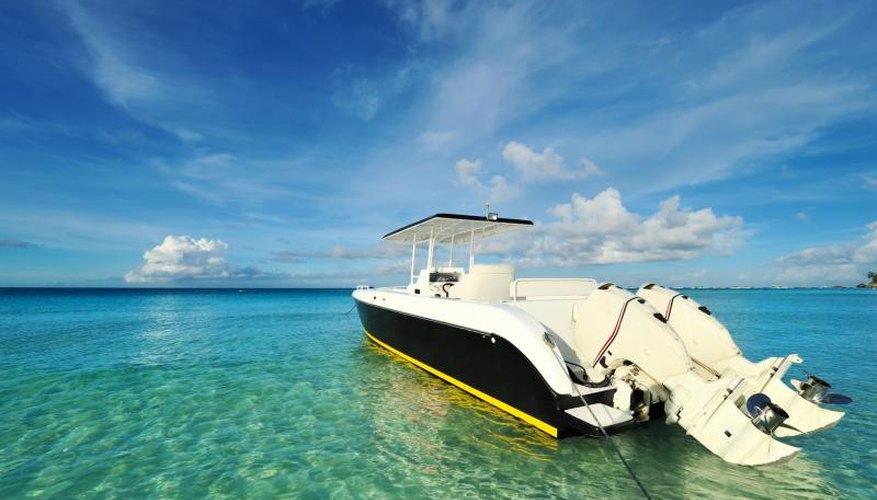
If your physical needs are modest and you enjoy being lulled to sleep each night by the gentle lap of water, you might want to consider living on a boat.

Related Searches:
    Difficulty:
    Moderately Easy

    Instructions

      • 1

        Understand the financial advantages. If you buy a boat with a head, galley and berth, under the provisions of the US tax code, the IRS allows you to deduct the interest generated by your boat's loan since it is treated as a mortgage. To do so you need to prove that you stay on the boat overnight for at least 14 days during the course of a year. You also might be able to deduct taxes and other registration fees. Compared to apartment rent by the water, slip fees are still pretty reasonable often $10-15 a foot. Parking for a single car will be included in the slip fee. In some urban areas you'll be paying as much for a slip with parking as you would for a parking space alone.

      • 2

        Get your boat inspected by a marine surveyor before buying it. It's worth the expense of a professional examination to make sure that you have a sound hull and functional gear. You don't want surprises.

      • 3

        Make sure that you upgrade your bilge pump to one that is automatically activated. If your boat becomes your home, you don't want to unexpectedly find that everything you own is suddenly sodden. One auto pump that costs less than $100, starts up every few minutes and stops unless it senses water which it pumps out. Others are activated by a float. The action can be turned off while you sleep.

      • 4

        Know the physical limitations. There simply is not a lot of space on a boat. This is not a place to live if you have Carrie Bradshaw's wardrobe. Unless you can fit everything you own into a suitcase or two, be prepared to rent a storage locker either at the marina, or nearby. Think small whenever you buy anything, a laptop vs. a desktop computer, a cell phone instead of land line, a combination DVD / LCD player instead of two different devices.

      • 5

        Be sure to have working fire extinguishers on board. Quarters are tight. It's too easy for a flame to hop from a stove to your bathrobe simply because you are closer to the flame than you expected.

      • 6

        Make sure you have enough head room. You will bump your head, but if you choose a boat to live on, be certain that the cabin is high enough for you to avoid knocking your skull in the middle of the night if you get up to use the head.

      • 7

        If this is a long term arrangement, be sure to get a marine refrigerator. If you're sailing for recreation, an ice chest alone will minimize your food spoilage. However, if you live aboard year round you don't want to have to look for blocks of ice at odd times in local markets

      • 8

        Be a good neighbor. Remember that more boats fit onto a dock than apartments into a complex. Keep your noise low. Respect your fellow boaters and they'll usually extend the courtesy.

      • 9

        Be sure to get legal permission to live aboard. A live aboard consumes more water and electricity than a weekend recreational boater. Most marinas have very strict policies about getting permission in advance. Forget about having a live in companion. A friend of mine signed an official looking lease from a boat owner in Marina del Rey only to learn that because the marina did not allow any live aboards she suddenly had to leave without any of the legal protections that tenants in apartments have if they get evicted for any reason.

    Related Searches

    Resources

    Read Next:

    Comments

    • MIghtyDreamer Sep 10, 2008
      I was just getting ready to write an article about this subject and then I found yours... good tips.

    You May Also Like

    Follow eHow

    Related Ads