

Septic Tank Laws in Arkansas

Table of Contents
A septic tank is a great solution for property owners lacking access to a conventional sewer system. Septic tanks can be easy to maintain and provide complete, on-site waste water treatment. However, the use of septic tank systems is closely regulated by the Arkansas Department of Health (ADH).
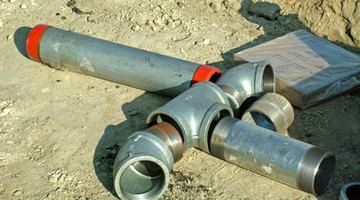
Following ADH guidelines will help you determine if a septic tank system is right for your property and ensure safe, hassle-free operation.
When to Use a Septic Tank
In Arkansas, it is required that all homes located within 300 feet of a conventional sewer system that can gain access to that sewer without crossing another person's property hook up to that conventional sewer system. If a conventional sewer is unavailable, homeowners should then look at the population density of the surrounding area. If you are living in a large enough community, you may have to consider a type of community waste water system. Generally, if the population density is lower than 2,500 persons per square mile, you will likely need your own septic tank.
Permits
Installing a new septic system requires two permits from the ADH: a permit for construction and a permit for operation. To obtain a construction permit, the homeowner must submit an application which includes soil tests, designs of the proposed system and any other information deemed necessary by the ADH. During construction, an inspection must be conducted by an ADH representative to confirm that no alterations have been made to the plan. After the inspection, the ADH representative will issue a permit for operation.
Tank Specifications
Septic tanks are required to have a large enough capacity that they can be used with conventional home appliances. Tanks must be located in an area that is accessible to septic tank cleaning trucks. All septic tanks must be constructed by a manufacturer that is licensed by the ADH. Regardless of how it is constructed, a septic tank must be water tight. Depending on the method of construction and the materials used, other guidelines may apply, so it is important to check with an ADH representative.
Tank Installers
The installer you choose to construct your septic tank is very important. Your installer must be registered with the ADH and is responsible for making sure that the tank meets ADH specifications and that the tank remains undamaged during installation.
Septic Tank Removal
If a septic tank is no longer in use, its contents must be removed by a licensed septic tank cleaner. Once the contents have been removed, the tank itself must then be collapsed and filled in with clean material.
The Drip Cap
- A septic tank is a great solution for property owners lacking access to a conventional sewer system.
- Following ADH guidelines will help you determine if a septic tank system is right for your property and ensure safe, hassle-free operation.
- If a conventional sewer is unavailable, homeowners should then look at the population density of the surrounding area.
- All septic tanks must be constructed by a manufacturer that is licensed by the ADH.
- Regardless of how it is constructed, a septic tank must be water tight.
Resources
Writer Bio
Erik Price is a freelance writer based in Brooklyn, N.Y. His articles have appeared in “Town and Country” magazine, “Ladies’ Home Journal” magazine, the “Pittsburgh City Paper” and on the Web for MacLife. Price holds a Bachelor of Arts in creative nonfiction writing from the University of Pittsburgh.
Photo Credits
- plumbing fittings image by Greg Pickens from Fotolia.com
- plumbing fittings image by Greg Pickens from Fotolia.com
More Articles

