


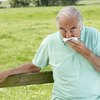


Allergies occur when the immune system recognizes a substance that would not typically pose a threat,as being harmful or dangerous. This results in the body producing histamine, which causes inflammation leading to an allergic reaction. Upper respiratory allergies can be brought on by an array of triggers resulting in uncomfortable and, in some cases, life-threatening symptoms.
Allergic Rhinitis Causes and Symptoms

Environmental allergens, such as mold, dust, pollen and pet dander, enter the body through the eyes, nose or mouth causing an upper respiratory dysfunction called allergic rhinitis. As triggers are inhaled, symptoms of nasal congestion, itchy or watery eyes, sneezing, throat soreness and itchy skin begin to appear while histamines produce swelling and inflammation of the nasal passages and lungs. Eye drops, nasal sprays and washes and antihistamines can be effective in treating allergic rhinitis. Hay fever allergies are typically worse during the spring and summer when plants begin to pollinate and mold spores become airborne. Avoiding outdoor exposure on hot breezy days, when pollen and mold counts tend to be highest, can decrease symptoms. Vacuuming, cleaning and bleaching regularly and using dust mite protection on bedding can reduce symptoms resulting from household irritants.
Signs of Allergic Asthma

Asthma is a chronic condition that typically accompanies allergies when triggers cause inflammation of the bronchial tubes, constriction of air passages and asthma attacks. Asthma symptoms may be induced by inhalants such as pet dander, mold, dust, smoke, chemical pollutants and weather fluctuations. Upper-respiratory symptoms of allergy-related asthma include wheezing, shortness of breath, dry coughing and chest tightness, resulting in loss of sleep, decreased appetite, mood changes, irritability, fatigue and sensitivity to physical activity. Asthma can be treated in combination with antihistamines through inhalers, oral steroids, immunotherapy and regular nebulizer treatments.
Symptoms of Allergic Sinusitis

Allergic sinusitis is caused by environmental agents such as pollen, dust and mold, causing upper-respiratory signs or nasal congestion, facial tenderness, mucus in the throat, nosebleeds and nasal polyps. Allergic sinusitis is treated with nasal and throat sprays, decongestants and oral antihistamines. Allergic sinusitis can lead to viral and bacterial infections, migraines and ear infections if left untreated.
Upper Respiratory Anaphylaxis Symptoms

Anaphylaxis is a severe allergic reaction to a trigger that has been ingested or injected through food, insect bites, venom or medicine. Anaphylaxis results in upper respiratory symptoms inclusive of coughing, wheezing, airways constriction and difficulty breathing, which may combine with hives, dizziness and increased heart rate. As the body begins to shut down, the throat closes due to swelling. Anaphylaxis is a life-threatening condition that needs immediate professional treatment, as it can result in death within minutes. Allergy sufferers with this condition tend to carry Epinephrine in the form of an EpiPen for emergencies.
Identifying and Treating Upper Respiratory Allergies

Signs and symptoms of upper respiratory allergies resemble those of a cold or flu. Chronic sneezing, nasal congestion, ear infections, scratchy throat, postnasal drip, mucus secretions, watery eyes, a runny nose and headaches are indications that an upper respiratory allergy is afflicting an individual. Over-the-counter remedies containing suppressants or antihistamines may provide temporary relief, while doctor-prescribed antihistamines, steroids, inhalers and allergy shots may promote extended alleviation from recurring symptoms.
References
Writer Bio
Taylor DiVico is a professional songwriter, content writer, fiction novelist and poet with more than 15 years of experience. DiVico holds a B.A. in philosophy from the University of Rhode Island and an M.S. from Syracuse University.
Image Credit
George Doyle/Stockbyte/Getty Images