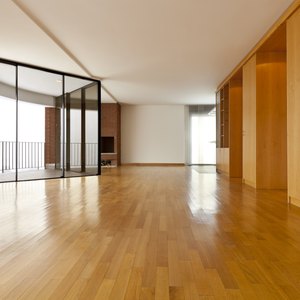


Before you decide to buy a condominium and hire a home inspector, walk through the property with your own checklist. Keep in mind that the condo association is responsible for the exterior maintenance and shared spaces. If the condominium is in a large complex, check the security services and egress. Each unit is allocated a certain number of parking spaces, make sure it will be adequate for your needs.
Exterior

The condo association is responsible for some of these items. Check for peeling paint on the windows and doors, cracked sidewalks, driveways, foundations and chimneys. Worn or missing roof shingles could mean the whole roof has to be replaced. Check for leaking gutters and downspouts, broken windows, missing door handles and screens. Handrails should be present if there are more than two steps.
Interior
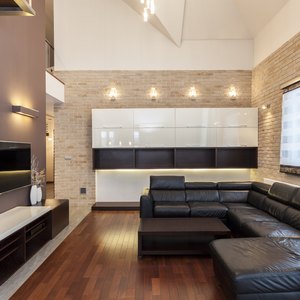
Make a list for each room checking for roof leakage on the ceiling or damage from another condo. Use an outlet tester to verify that the outlets work. Make sure there enough outlets in the room. Check the windows by opening them to see if they fall down. Check for water leakage around the sill and well. Note any odors in the room that could be from a rug or flooring. Check for holes in walls or floors. There should be a smoke and radon detector on each floor. Ask about the noise level from other units.
Kitchen and Bath
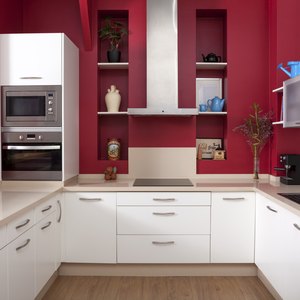
Check the appliances by turning them on. Check the outlets with the tester and note if any are ground fault circuit interrupter outlets. Run the garbage disposal and dishwasher to make sure they are functioning. Turn on all of the lights. Open the cabinets to see if there are any insects present. Turn on all of the faucets. Use a stopper to see if sinks drain properly. If the tub has jets, turn them on to see if they work. Check for leaks and corrosion of the pipes. Flush the toilet and check for leaks. Check to see if there is an access panel to the tub. Missing tile and grouting can cause leaks if not repaired properly. Check for shut off valves on all plumbing.
Basement and Attic
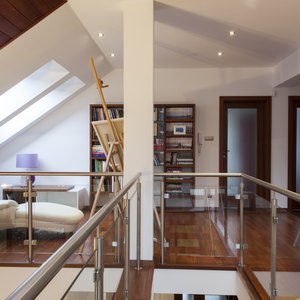
Check the attic for roof leaks. Inspect for termite or wood-boring insect damage. Make sure the insulation is adequate. Basement windows should be present, in good condition and operable. If a sump pump is present, the basement leaks. Stairs should be sturdy and each riser should be the same height.
Sub-Code
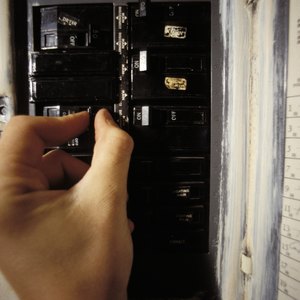
The electric breaker box should be at least a 150-amp service. The main service cable should be in good condition. Turn on the heat and air-conditioning. Make sure all the rooms have vents. If it has an oil tank, examine it. If the tank is underground it will require environmental inspections. The heater emergency shut off valve should be easy to access. Water heaters should have an emergency pressure valve attached and should be raised off the ground. Gas water heaters should be vented to the outdoors. Check for leaks around the bottom.
References
Writer Bio
Vickie Van Antwerp began her career as a technical writer for a consulting firm in 1987. Now a freelance writer in her fields of interest, her writings appear on southjersey.com, youandmemagazine.com and in "The Phelps Connection" and "The Storyteller." Van Antwerp holds an Associate of Arts in liberal arts from Gloucester County College and certification as a surgical technologist from Lenoir College.