eHow launches Android app: Get the best of eHow on the go.

How To

How to Detect and Prevent Powdery Mildew

Contributor
By eHow Contributing Writer
(7 Ratings)

Powdery mildew attacks flowering annuals. This fungus thrives with heavy rainfall and high humidity, but is also caused by temperature changes between day and night. Foliage suffering from powdery mildew looks like it has a white coating of talcum powder.

Difficulty: Moderate
Instructions

Things You'll Need:

  1. Step 1

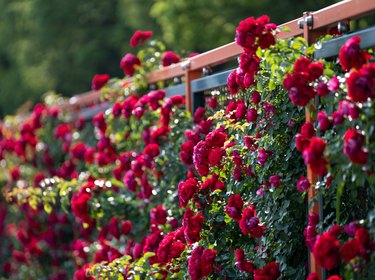
    Look for a grayish-white powder on leaves. Plants affected by this disease include roses, zinnia, zucchini and verbena.

  2. Step 2

    Avoid overhead irrigation if possible. If there are sprinklers near the affected plants, either cap them or move the plants to a drier location.

  3. Step 3

    Water in the early morning hours so that plants have a chance to dry during the day. When watering plants, avoid wetting leaves. Hold the hose near the base of the plant instead of watering from overhead.

  4. Step 4

    Protect plants from heavy rainfall. Place susceptible plants under overhangs or eaves.

  5. Step 5

    Clean your garden of any infected plants, especially in winter, for maximum protection against the disease. Dispose of infested plants and don't compost them.

  6. Step 6

    Keep the area under mildew-prone plants raked and clean. Fungus spores splash back onto the foliage during rainfall or irrigation.

  7. Step 7

    Spray with a solution of 1 tsp. baking soda and 1/2 tsp. horticultural oil mixed with 1 qt. of warm water in a 1-qt. sprayer. Don't forget to spray the undersides of leaves.

  8. Step 8

    Spray or dust plants with sulfur-based fungicides as a last resort.

Tips & Warnings
  • Plant mildew-resistant varieties of plants. Waxy-leaved plants, including bird of paradise, canna and aspidistra, are usually resistant to powdery mildew.
  • Although powdery mildew looks horrible, it causes little harm to the plant. Harvest your zucchini and enjoy the fruits of your labor.
  • Always use the least toxic method of control as your first step.
  • Fungicides are among the most toxic garden chemicals. Wear goggles, neoprene gloves, a respirator, and long sleeves and pants when applying them.

Comments  

fritu said

Flag This Comment

on 10/3/2008 Dear sjjantwin,

Sounds as though your cukes have a fungus, more than likely a soil generated one, and it may take a while to clear up. To my knowledge there is no fungus treatment for it. were you over watering >

fritu said

Flag This Comment

on 10/3/2008 Spanky,
Try one of the larger Garden centers or sometimes a smaller well established center can provide you with what you need or offer an alternative.

Flag This Comment

on 9/29/2008 I think this powdery mildew has taken over all the new growth on a lilac bush that was already on the verge of death before I trimmed it down to almost nothing about 2 years ago. I would love to apply this solution you write of, but have no idea where to look for horticultural oil or how much it costs. I hate to watch my hard work go to waste :(

Flag This Comment

on 8/14/2008 My cucumbers that are medium sized plants and are bearing fruit, have what looks to be powdery mildew but tthere is also brown spots on the leaves.Any one know what this might be? It's been very dry and I have been drip irrigating once a week.

Subscribe

Post a Comment

Post a Comment

Related Ads

  • Have you done this? Click here to let us know.
I Did This
Get Free Home & Garden Newsletters
Copyright © 1999-2009 eHow, Inc. Use of this web site constitutes acceptance of the eHow Terms of Use and Privacy Policy.   en-US Portions of this page are modifications based on work created and shared by Google and used according to terms described in the Creative Commons 3.0 Attribution License.

eHow Home and Garden
eHow_eHow Home and Garden