

Vermicomposting Methods

A form of natural recycling, vermicomposting involves using earthworms to decompose organic waste. Vermicomposting offers numerous benefits to gardeners, including increased microbial activity in the soil, improved water retention in the soil, increased humus levels and less soil compaction for enhanced aeration.
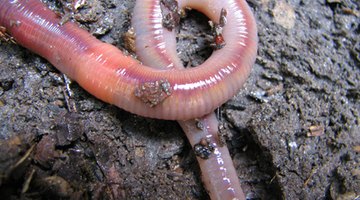
Vermicomposting methods exist for weekend gardeners and commercial farmers alike.
Bins
The simplest form of vermicomposting involves a bin made from plastic or untreated, non-aromatic wood. Some form of bedding, such as shredded paper or composted animal manure or decaying leaves, fills the bin and mixes with a few handfuls of soil to provide the worms with material through which to burrow. The bedding also requires water to stay moist and allow the worms to breathe. Feed the worms organic food scraps such as vegetables, fruits, tea bags and coffee grounds. Tossing in some egg shells will add calcium for the worms and lower the bin’s acidity level. However, never compost meat, fish, or other fatty, oily foods, otherwise the bin will produce a foul odor. And the best worms for bin vermicomposting are redworms or wigglers.
Windrows
Most commercial farm vermicomposting involves windrows, which are long rows of cow manure. Farmers typically stack the manure in rows 3 feet high and 3 feet wide, with rows often stretching more than 100 feet long. Farmers seed the windrows with worms, making certain to keep the rows moist. Fresh manure added to the ends of the existing rows draws the worms forward to keep the process moving.
Troughs
Cement troughs can also host vermicomposting. Usually the troughs hold only manure, which is aged for at least a week before being placed in the trough. This composting method begins with only a few inches of manure spread across the bottom of the trough. Farmers then add the worms, allowing them to feed on the manure for a few days before adding another layer of manure. More manure layers are added every 10 days until the worm compost reaches the top of the trough.
Pits
Some farmers opt for vermicomposting pits, digging a large hole in which to bury the worms and organic waste material. Of course, before adding the worms and bedding, farmers must line the pit to prevent worms from escaping into the surrounding soil. Canvas feed bags make a good lining, preventing worm passage yet still allowing for suitable water drainage. Farmers fill the lined pit with organic materials, such as straw, grass clippings and manure, and then cover it with soil. After about a week, during which time the pit is watered to maintain its moisture, farmers add worms. The worms immediately burrow into the pit, beginning the vermicomposting procedure.
References
Writer Bio
William Lynch has been a freelance writer for the past fifteen years, working for various web sites and publications. He is currently enrolled in a Master of Arts program in writing popular fiction at Seton Hill University. He hopes to one day become a mystery novelist.
Photo Credits
- worm image by Ksenija Djurica from Fotolia.com
- worm image by Ksenija Djurica from Fotolia.com
More Articles

