Grass hay is a strong constant to a guinea pig meal plan, but that's not all the little South American rodents need to eat. Regular portions of fresh fruits and vegetables also are healthy elements of cavy diets. If you ever have any concerns about how to properly feed your guinea pig, ask your veterinarian.
Nonstop Grass Hay
Guinea pigs indeed can eat grass hay every day. Not only can they eat it daily, they actually need to have it readily accessible nonstop, no matter the time. Some forms of grass hay that are commonly eaten by guinea pigs include timothy hay, orchard grass hay and oat hay. Many guinea pig owners provide their pets with several different kinds, as all forms of grass hay have slightly different "feels" to them. Certain types of grass hay are only acceptable for specific guinea pigs, however. Alfalfa hay, for one, is only suitable for expectant and lactating females, along with juveniles of less than 6 months old. This type of hay has too much calcium for mature cavies. If you have further questions regarding hay and your pet, consult your vet.
Daily Fresh Vegetables
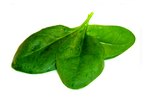
Guinea pigs can also eat fresh vegetables every day, as long as you cut everything up into tiny pieces. A single cup of daily vegetables is appropriate for guinea pigs. Before you feed veggies to your pet, wash them meticulously with water. If your cutie fails to eat all of his veggies within a couple hours, take them away to prevent your pet from consuming spoiled items. Some vegetables that are suitable for guinea pigs are romaine lettuce, cucumbers, kale, turnip greens, spinach, green peppers, carrot tops, parsley and peas.
Occasional Fresh Fruits
Offer your guinea pig fresh fruit roughly one or two times weekly. Since fruit has lots of sugar in it, it's crucial to only give it in tiny amounts. Don't give your pet more than between one and two tablespoons of fruit for every 2 pounds he weighs, for example. Just as with vegetables, take away any ignored fruit items quickly. Some cavy-friendly fruit options are apples, strawberries, pears, oranges, bananas, apricots, blueberries and papayas. Refrain from feeding your guinea pig any fruits -- or vegetables -- unless you're 100 percent sure that they're safe.
Other Important Forms of Sustenance
Apart from grass hay, commercial pellets designed for guinea pigs also make strong meal staples. Just avoid giving your pet any commercial foods that cater to different animals, whether rabbits or chinchillas. Guinea pig pellets specifically consist of adequate amounts of vitamin C for them. It's important for guinea pigs to get enough vitamin C, as their bodies aren't capable of manufacturing the nutrient on their own. Foods formulated for other animals can also sometimes feature ingredients that are potentially hazardous to guinea pigs. Grass hay isn't the only form of sustenance that guinea pigs need to have 24 hours, 7 days a week. They also need to always has plenty of clean water in front of them.
References
- The Merck/Merial Manual for Pet Health; Cynthia M. Kahn and Scott Line
- Exotic Animal Medicine for the Veterinary Technician; Bonnie Ballard and Ryan Cheek
- ASPCA: Guinea Pig Care
- Royal Society for the Prevention of Cruelty to Animals: Diet - Guinea Pigs
- Tri-County Humane Society: Proper Guinea Pig Diet
- The Humane Society of the United States: Vital Vittles for Your Guinea Pig
Photo Credits
-
BananaStock/BananaStock/Getty Images