

How to De-Humidify a Storm Shelter

Storm shelters are normally built underground as a safe place to go in case of storms or tornadoes. They may also be used to store canned food. Storm shelters are built with concrete blocks and rebar for reinforced strength inside the walls.
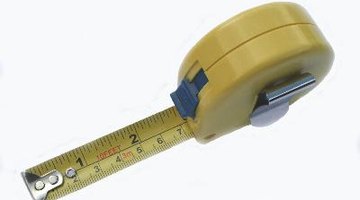
Things You Will Need
- Tape measure or yardstick
- Dehumidifier
Condensation may form inside the storm shelter, creating mold and musty smells. Dehumidifying the storm shelter should rid you of these problems.
-
Measure the dimensions of your storm cellar. You'll need this information to choose an appropriate dehumidifier.
-
Find out what type of dehumidifier best meets your needs. Frigidaire, Soleus and Sunpentown are several brands of dehumidfiers on the market. These and others may be purchased at stores such as ACE Hardware, Sears, Lowe's and Home Depot. A knowledgeable salesperson should be able to help.
-
Set up the dehumidifier in the storm shelter. Smaller dehumidifiers sometimes run on batteries, but larger units need an electrical outlet, which means you may need to use an extension cord running to the house.
-
Empty the drip pan from the dehumidifier each day to avoid overflows. You can attach a hose to drain water from the drip pan into a sink if the shelter has a sink.
Tip
Run the dehumidifier in months that are hot and humid. Check for mold buildup in the storm shelter and remove any mold immediately. Wear a mask and gloves when handling mold.
References
Tips
- Run the dehumidifier in months that are hot and humid.
- Check for mold buildup in the storm shelter and remove any mold immediately. Wear a mask and gloves when handling mold.
Writer Bio
Constance Barker, located in the hills of southern Ohio, is the owner and writer of several financial, credit report and travel websites. She started writing in 1999 for private clients and began creating website content in 2004. She gained expertise in home improvement after she and her husband built their home themselves.
Photo Credits
- tape measure 1 image by Martin Grice from Fotolia.com
- tape measure 1 image by Martin Grice from Fotolia.com
More Articles

