eHow launches Android app: Get the best of eHow on the go.

How To

How to Identify Acne Rosacea

Contributor
By Denise Wang
eHow Contributing Writer
(1 Ratings)

Acne plagues millions of adults around the world. Acne rosacea is a very common form of acne that is caused by a chronic inflammation of the skin around the face. While it is seen occasionally on other areas of the body, it seems to localize itself on the forehead, chin and cheeks, and most especially the nose. While acne vulgaris is more common to teens and young adults, acne rosacea tends to affect adults between the ages of 30 and 50 years old. It is more common in men than women, though men seem to suffer more severe cases of acne rosacea. Acne rosacea can't be prevented, but by identifying the signs and symptoms, individuals can try to prevent and avoid flare-ups and begin treatment before an outbreak becomes severe.

Difficulty: Moderately Easy
Instructions

Things You'll Need:

  • OTC acne spot treatment remedies include:
  • Clearasil
  • Clinique Gel Lotion
  • Biore Blemish Spot Treatment
  • Oxy10 Balance Spot Treatment
  1. Step 1

    Acne rocasea causes a variety of symptoms in individuals, and many people will react differently to symptoms that may range from mild to severe. One of the major symptoms of acne rosacea is the appearance of flushing or blushing on the cheeks. This persistent redness causes a feeling of heat to suffuse the cheek area.

  2. Step 2

    Development of thickened areas of skin on the nose and cheeks are another symptoms of acne rosacea, which may or may not be accompanied by the appearance of tiny blood vessels that are visible on the surface of the skin.

  3. Step 3

    Appearance of small bumps, or papules, as well as small blisters causes the surface of the skin to appear rough and inflammed. These bumps or blister-like pustules generally appear on the forehead, chin and cheeks of those suffering from acne rosacea.

  4. Step 4

    Itching and a dry, tight feeling of the skin is another common symptom of acne rosacea. This itching may be felt as a burning or stinging sensation in many people. Symptoms worsen when an individual scratches or rubs the skin.

  5. Step 5

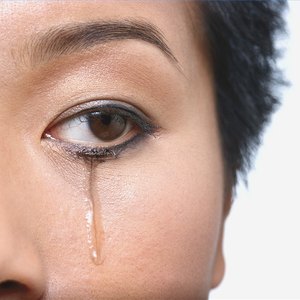
    Watering eyes that may appear bloodshot are also a common symptom of acne rosacea that is made worse by rubbing.

  6. Step 6

    Follow directions for all over the counter spot treatment creams. Most treatment creams will provide relief within 3 to 5 days. Apply a thin layer over affected area to be treated and resist poking or prodding pimples for optimal results.

Tips & Warnings
  • Avoid foods that may trigger outbreaks, such as spicy foods, alcohol and hot liquids. Use unscented skin care products, watch the sun exposure and avoid hot baths.
  • Avoid use of non-prescription cortisone creams or ointments without seeking medical advice first, as they may cause conditions of acne rosacea to worsen.
Subscribe

Post a Comment

Post a Comment

Related Ads

  • Have you done this? Click here to let us know.
I Did This
Get Free Health Newsletters

Copyright © 1999-2009 eHow, Inc. Use of this web site constitutes acceptance of the eHow Terms of Use and Privacy Policy .   en-US Portions of this page are modifications based on work created and shared by Google and used according to terms described in the Creative Commons 3.0 Attribution License. † requires javascript

Live Strong Partner
Livestrong_eHow Health