How to Eat for Anemia as a Vegetarian

If you are anemic, you might not be feeling so well. Many vegetarians, vegans and meat eaters suffer from the condition, and vegetarians and vegans do not have any higher incidence of anemia than meat eaters do. Still, the most common cause of anemia is dietary deficiency and sometimes vegetarians, like anyone else, eat diets too high in starchy or processed foods and too low in fruits and vegetables. When the cause of anemia is a dietary deficiency, whether in iron, B-12 or folate, increasing fruits and vegetables in the diet will help.

Things You'll Need

  • Iron-rich foods
  • Vitamin-C rich foods
Show More

Instructions

    • 1

      Eat well. First, eat piles of produce every day, making sure to eat iron and folate-rich foods every day. If you are low in B-12 (a soil vitamin that is hard for vegans to get since humans wash their produce so well), eat and drink B-12 fortified products or take a B-12 supplement (studies show the oral kind work as well as the inconvenient, and painful, shots). Green leafy vegetables and dried beans are awesome sources of both iron and folate.

    • 2

      Think calories, not ounces. The meat and dairy industry wants you to look at nutrients by the ounce, but everyone knows that our bodies measure food in calories. By the calorie, dark green leafy vegetables and dried beans have at least ten times the iron that red meat does. In addition, red meat contains no folate. Note, however, that red meat does have B-12, since animals do not wash their veggies and thus ingest more of this soil nutrient.

    • 3

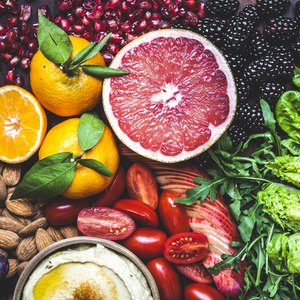
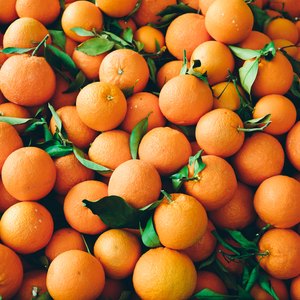
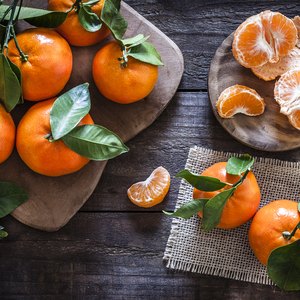
      Eat iron-rich foods with vitamin-C rich foods. Iron comes in heme and non-heme types. Only animal foods have the heme type, although most iron obtained from animal foods is also the non-heme type, which is less easy to absorb. You can greatly increase your absorption (up to six times) of non-heme iron by eating foods rich in vitamin C alongside iron-rich foods. This does not mean you always have to have citrus with your spinach, although a spinach salad with mandarin oranges makes for a yummy, iron- and folate-rich treat. Eating beans with tomatoes, or broccoli with tofu, are other possibilities. Foods like bok-choy and broccoli contain high levels of both vitamin C and iron, so even alone they are great sources of iron.

    • 4

      Know the signs (what your or you doctor might see) and symptoms (how you might feel) of anemia. You might feel tired or weak. You might have chest or abdominal pain. You might lose weight. You might feel dizzy, especially when you stand up. Your stool might appear dark, sticky and might be especially stinky or it might appear black, maroon or have visible blood. You might have a faster heartbeat or rate of breathing. Your skin might appear yellow (“jaundiced”) or pale, or feel cold. Your doctor might note that you have an enlarged spleen, low blood pressure or a heart murmur.

    • 5

      Make sure another serious medical condition is not causing the anemia. If necessary, blood tests can help your physician determine if you or a loved one has another type of anemia, such as sickle cell anemia, hemolytic anemia, aplastic anemia, anemia associated with bone marrow disease, anemia of chronic disease or a thalassemia.

    • 6

      Avoid tea, coffee and calcium supplements when eating iron-rich foods if you are trying to increase the iron in your blood. These reduce iron absorption, so take them several hours before or after you consume an iron-rich food (or iron supplement).

    • 7

      Think about taking supplements. Iron supplements, in particular, have some unpleasant side effects, which include nausea, diarrhea, constipation and abdominal discomfort. If you have side effects, you can try various types of supplements. Some choices include iron (II) sulfate, iron (III)-hydroxide polymaltose complex (IPC) or iron bis-glycinate chelate. If diet alone does not work, find the one that is best for you and be careful; too much iron from dietary supplements can be dangerous.

Related Searches:

Resources

You May Also Like

  • How to Eat for Anemia as a Vegan

    Anemia has many causes and vegans do not have a higher incidence of the condition than do meat eaters. Still, many people...

  • How to Follow Dietary Requirements for Anemia

    Include lots of iron rich foods in your diet other than red meat, particularly if you are a vegetarian. Beets, pineapple, apricots,...

  • Anemia in Menopause

    If you have anemia, this means that you have iron-poor blood. Your symptoms may include pale skin, an irregular or fast heartbeat,...

  • Important Vitamins for Vegetarians

    Important Vitamins for Vegetarians. When vegetarians cut meat out of their diets, they also forgo the vitamins and nutrients found in meat,...

  • Foods to Treat Anemia

    Anemia occurs when your blood has an insufficient number of red-blood cells. This condition also can develop if your red-blood cells don't...

  • Vegetarian Diets & Teenagers

    Teenagers may choose to become vegetarians for health, ethical, or environmental reasons. For most teens, this decision can be healthy and enjoyable...

  • How to Create a Diet to Prevent Anemia

    People who eat balanced diets will rarely have problems with anemia. However, vegetarians, pregnant women and people with a history of blood...

  • Vegetarian Diets for Beginners

    Vegetarian Diets for Beginners. Beginning a vegetarian diet can be the start of a lifetime commitment to a meat-free lifestyle. While a...

  • The Signs & Symptoms of Anemia in Teens

    Iron-deficiency anemia is the number one nutritional deficiency in the United States. Teenagers are particularly susceptible to anemia due to several physical...

Related Ads

Featured