





A grain of wheat has three layers -- the bran, endosperm and germ. White, or all-purpose flour, is refined to remove the bran and germ, resulting in a finer product with a relatively long shelf life. The whole grain is milled to produce whole-wheat flour, which is coarse and gives baked goods a tan color. Whole-wheat flour has four times more fiber -- a nutrient essential for cardiovascular and digestive health -- than white flour and is a good source of nutrients including potassium and magnesium. Eating a diet rich in whole grains is associated with a lower risk of diabetes, cardiovascular disease and even some types of cancer. Whole-wheat flour can easily be swapped for part or all of the white flour in many recipes including bread, muffins, pancakes and even sweet treats such as cake and cookies.
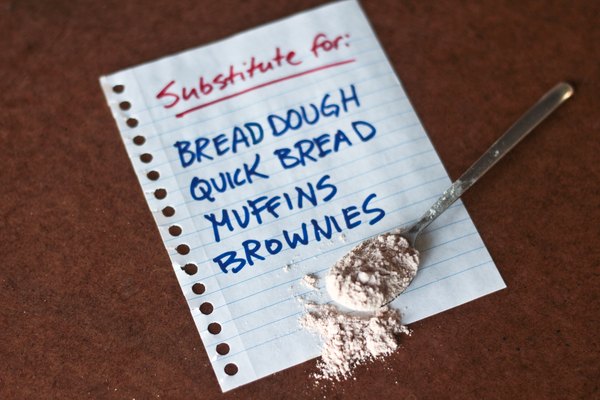
Replace whole-wheat flour for 50 to 100 percent of the white flour in recipes for sturdy baked goods such as bread dough, quick bread, muffins and brownies.
Use white whole-wheat flour to give baked goods a similar appearance to those made with regular whole-wheat flour. White whole-wheat flour is milled from an albino grain, but still contains the bran, germ and all the benefits of regular whole-wheat flour. Substitute a third of the flour with white whole wheat and gradually increase the percentage.
Substitute up to 50 percent whole-wheat pastry flour for lighter baked goods such as cakes and cookies. Whole-wheat pastry flour has a lower protein content and yields a more tender product.
Cut the fat in cookie recipes by 20 percent when using whole-wheat flour. For instance, if the recipe calls for 10 tablespoons of butter, use 8 tablespoons instead.
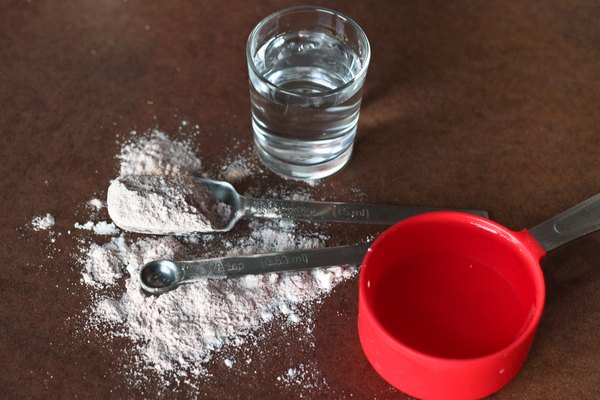
Increase the liquids when making bread or pizza dough. Whole-wheat flour is more absorbent, so you'll need more water or milk to make a soft, pliable dough. Start with 1 to 2 tablespoons. You may need to add up to 1/4 cup for 100 percent whole-wheat dough.
Tip
Whole-wheat bread has a chewier texture when you start with a sponge. Whisk together warm water, yeast, salt, sugar and the whole-wheat flour and allow the sponge to develop for about half an hour. Then proceed with the recipe as written. Generally, a sponge should include half of the flour, all the yeast, a little sugar, half the salt and enough water to form a dough. Gluten, or wheat protein, develops into stringy strands during the sponge stage, which prevents whole-wheat bread from crumbling and falling apart.
References
Writer Bio
Carolyn Robbins began writing in 2006. Her work appears on various websites and covers various topics including neuroscience, physiology, nutrition and fitness. Robbins graduated with a bachelor of science degree in biology and theology from Saint Vincent College.
Image Credit
Masha D Trujillo/Demand Media