

Can You Retexture Your Wall?

When you're unhappy with your wall texture and want a new one, you have two options. You can sand off the old one, which is advisable if the new texture is lighter than the old one, or you can texture right over the old one. In either case, you should prepare the wall so that the new texture will stick by de-glossing the paint and spreading on a coat of wall primer.
Texture Styles
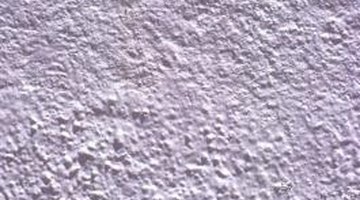
Textures vary in weight and complexity, from a simple mottled "orange peel" pattern that you apply with a roller to elaborate swirls and ridge patterns created with a drywall blade. If you want to make a simple pattern more complex, you may be able to apply it directly over the old one, but you should prepare the wall first so that the texture adheres. If, on the other hand, you want to simplify a complex pattern, you may have to sand the old one down. It's dusty work that requires removal of all the furniture from the room.
Sanding
Most texturing is either drywall joint compound or something similar, and it's relatively easy to flatten it down with sandpaper, depending on the wall paint. Your sandpaper may gum up frequently if you have to sand through a high-gloss oil-based paint, but most interior wall paints aren't that thick, and you can readily sand through them with a pole sander or orbital sander and 100- or 120-grit sandpaper. Prepare for the copious dust you will produce by removing all the furniture, hanging plastic in the doorways and windows, and wearing protective clothing and a dust mask.
Wall Preparation
If you don't need to sand, you should still de-gloss the existing paint before you apply more texturing. In most cases, washing the wall with a solution of warm water and tri-sodium phosphate (TSP) is enough, but if you have a high-gloss oil-base finish, use a liquid sanding product. Be sure to repair cracks and holes and re-tape joints from which the existing tape has lifted. Whether you sand or not, it is highly advisable to seal the old texture with wall primer before you spread a new one. The primer helps the new texture to adhere.
Skim Coating
You can avoid sanding down an old texture by using a technique called skim coating. After de-glossing the wall, spread a coat of joint compound over the entire wall and scrape it flat with a drywall blade. Let it dry, then repeat. Skim coating works best if you apply several thin coats rather than a single thick one, because thick coats of joint compound can shrink and crack when they dry. It's a fairly advanced texturing technique that takes some practice, but if you do it well, you'll have a flat wall ready for any style of texture.
References
Writer Bio
Chris Deziel has a bachelor's degree in physics and a master's degree in humanities. Besides having an abiding interest in popular science, Deziel has been active in the building and home design trades since 1975. As a landscape builder, he helped establish two gardening companies.
Photo Credits
- John Foxx/Stockbyte/Getty Images
More Articles

