eHow launches Android app: Get the best of eHow on the go.

How To

How to Prepare Paint

Contributor
By eHow Contributing Writer
(5 Ratings)

Like any aspect of the painting process, preparation is everything. Here are a few simple tips to get your paint ready for the wall.

Difficulty: Easy
Instructions

Things You'll Need:

  1. Step 1

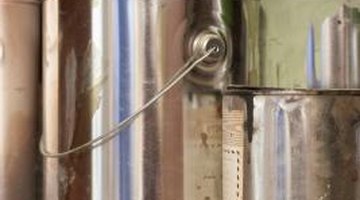
    Use a flat screwdriver or an official paint-can opener to get the lid off a can. Be gentle - you don't want to bend the lid. Pry up in a circle until the lid is loose enough to lift off with your fingers. You may have to go around more than once.

  2. Step 2

    Follow the instructions stamped on the lid to open a 5-gallon bucket. You may have to use a utility knife to slice through tabs on the edge of the lid before prying it up.

  3. Step 3

    Stir the paint. Simply get a sturdy stick (often given away free at the paint store) long enough to reach the bottom, and stir until all the sediment on the bottom has mixed into the liquid.

  4. Step 4

    Thin only if absolutely necessary - most paint is ready to go straight from the can, but if you must thin it, don't thin it any more than recommended by the manufacturer. Don't thin alkyd (such as oil-based) paints with water; don't thin latex (water-based) paints with solvents.

  5. Step 5

    Mix that paint!

  6. Step 6

    Note that there are sometimes small differences in tint between cans or 5-gallon buckets. When you get near the last 25 percent of the can or bucket, mix that paint with the next can or bucket so that lines of different color don't appear.

  7. Step 7

    Done painting? When you're ready to seal a can, first brush out all the liquid from the grooves in the top, place the lid on, then put a piece of newspaper or a rag over the lid before gently tapping with a hammer.

Tips & Warnings
  • Many paints come with mildew-blockers in them, but if you have a serious problem, you can use mildew-blocking additives.
  • Unless you're ready for a more advanced, nonstandard painting finish, don't add pigments yourself; not all paints, additives, and pigments are compatible with each other.
  • If you're going to do enough painting to justify it, buy a mixing attachment for an electric drill, but keep the blades submerged; you don't want air bubbles in the paint.
  • If you're not going to buy more than a gallon or two, have the paint store put your cans on their shaking machines.
  • Don't even think of mixing latex paint with alkyd. As in the rest of life, oil and water don't mix.

Comments  

Anonymous

Anonymous said

Flag This Comment

on 11/22/2005 Put 1 tsp. vanilla extract into 1 gal. of paint and mix well.
No smell of paint.

Subscribe

Post a Comment

Post a Comment

Related Ads

  • Have you done this? Click here to let us know.
I Did This
Get Free Home & Garden Newsletters

Copyright © 1999-2009 eHow, Inc. Use of this web site constitutes acceptance of the eHow Terms of Use and Privacy Policy .   en-US Portions of this page are modifications based on work created and shared by Google and used according to terms described in the Creative Commons 3.0 Attribution License. † requires javascript

eHow Home and Garden
eHow_eHow Home and Garden