How to Collect Seeds

How to Collect Seeds thumbnail
Collect Seeds

Seed collection and saving has always been the way we ensured crops for the next year. Seed saving can also give you access to varieties that aren't commonly found in seed catalogs and even less often as nursery seedlings. Seed collection has revived many heirloom vegetable, herb and flower varieties, and given them a fresh life in modern times. It also guarantees continuing diversity in agriculture. You can plant the same unique tomatoes and flowers that your greatgrandparents enjoyed. It's also a great way to teach your kids about natural diversity and gardening! Does this Spark an idea?

Things You'll Need

  • Cheesecloth
  • Brown paper lunch sacks
  • Cotton swabs
  • String
  • Moisture proof containers
  • Wood ashes (optional but useful)
Show More

Instructions

    • 1

      Select the plants that you want to save seed from. This means choosing the hardiest, strongest, most disease-resistant, most delicious or prettiest plants in your garden. You can gradually improve the quality of your open-pollinated plants by choosing the best examples each season.

    • 2

      Choose a plant that flowers and then goes to seed. This includes herbs and leafy plants like lettuces, not just flowers. Make sure the plants flowers are pollinated by using cotton swabs to pollinate the flowers you've chosen. Enclose your pollinated flowers in paper sacks. Secure the sacks to the stem with string.

    • 3

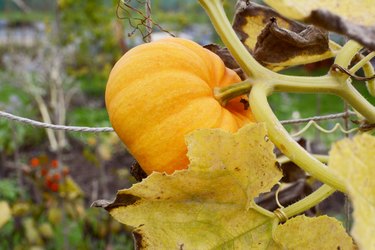
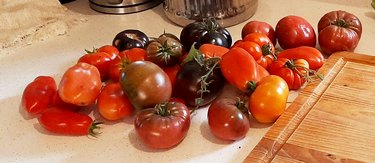
      Choose plants that reproduce by ripening fruit. Allow some fruit on your selected plants to ripen completely, until they have mature seeds. The fruit will probably be spoiled or even rotten. Collect the seeds and prepare them for drying.

    • 4

      Place your moist seeds on cookie sheets or pans and cover with cheesecloth. Secure the cheesecloth to guard against wind and critters. Place the pans in a protected sunny spot and stir the seeds a couple of times a day. Allow them to dry for several days to remove all moisture.

    • 5

      Place your thoroughly dry seeds in marked containers. You can add cooled wood ashes up to 50% of the seed volume. This will help to protect against moisture, and will add nutrients to the soil when you plant the seeds.

    • 6

      Place your seeds in a container that will hold them all and keep them in the freezer until you are ready to plant next year.

Tips & Warnings

  • Top your drying trays with cheesecloth to prevent loss from wind and pests.

  • Choose only your healthiest, strongest plants to reproduce.

  • Maintain as many varieties of each plant as you can. Agricultural diversity is a very good thing.

  • Do not try to save seed from hybrid varieties. They won't produce, or they won't produce true to form.

  • Keep your collected seeds moisture free to protect against pests and diseases.

  • If you must use plastic bags, use wood ashes to protect against moisture damage.

Related Searches:

Comments

  • Susanh Dec 06, 2008
    Wonderful tips on how to collect seeds and grow great produce and unique flowers.
  • Susanh Dec 06, 2008
    Wonderful tips on how to collect seeds and grow great produce and unique flowers.
  • Terria Fleming Oct 15, 2008
    This is great, thanks for the tips on collecting seeds from your own garden and plants.

You May Also Like

  • Collecting Seeds From Flowers

    Collecting seeds from flowers is an easy way to continue plant growth at home. Collect seeds from flowers with tips from a...

  • How to Collect Tomato Seeds

    Collecting tomato seeds is an easy, low-cost way to acquire desirable seeds for the next growing season. Any tomato seeds that you...

  • How to Collect Pansy Seeds

    The velvety blossoms of the pansy plant are colorful additions to flower beds, borders and containers. You can pinch back or deadhead...

  • How to Store Herb Seeds

    Herb seeds can be stored throughout the winter in paper envelopes, boxes or bags until they are ready for planting in the...

  • How to Collect Seed to Plant Squash

    Collecting seed to plant next year is a great way to save money and protect heirloom varieties of your garden plants. Squash...

  • How to Collect Geranium Seeds

    Instead of buying seeds from a plant store, propagate geraniums by harvesting seeds from other geraniums. Seeds can be collected when the...

  • How to Propagate Rose of Sharon From Seed

    Rose of Sharon (scientific name Hibiscus syriacus and also known as shrub althea) is a blooming hibiscus shrub that grows 6 to...

  • How to Collect Seeds From Tickseed Plants

    The tickseed plant (Coreopsis) is a type of flowering herb found throughout the Americas. The flowers are commonly seen growing wild in...

  • How to Remove Cotton Tree Seeds From Plants

    Garden maintenance includes many tasks, big and small. Among the toughest jobs for any gardener is cleaning up airborne seeds left by...

  • How to Collect Lupine Seeds

    Lupine are often seen growing along roadsides and in meadows, but they're also an old-fashioned favorite in the home landscape. With their...

  • How to Collect Seeds From Clematis

    Clematis, a woody perennial vine, produces spectacular flowers that contain one or more colors and attract hummingbirds and butterflies. Large clematis specimens...

  • How to Start Herb Plants From Seed Indoors

    If you can't stand the thought of waiting until summer for fresh herbs, you might want to plant seeds indoors and grow...

  • How to Grow Herbs From Seeds

    Growing your own herb garden can be fun and beneficial. With so many different types and uses for herbs, having a garden...

  • How to Collect and Save Green Bean Seeds

    There are many reasons people garden. For those who grow vegetables, there is the satisfaction of growing your own wholesome and healthy...

  • How to Collect Marigold Seeds

    Anyone who grows marigolds can collect marigold seeds. Marigolds are one of the easier flowers to grow and marigold seeds are some...

Related Ads

Featured