Step1
Identify complex carbohydrates. These carbs require the body to produce more energy in order to break them down for use as fuel. That means that the body gives itself a metabolic jump start in order to do the necessary job. Additionally, because this form of carbohydrate does take longer for the body to break down, the metabolism must remain active for a longer period of time. That also means that less insulin is injected into the blood stream, thereby reducing our urgent desire for certain types of foods that are high in sugar or fat.
Step2
Determine the complex carbohydrates that are right for you. A lot of complex carbohydrates can be found in the foods that we normally eat every day like fruits and vegetables. This can often be a good choice of complex carbs for most people because many fruits and veggies are also high in fiber. High fiber items, like complex carbs, take more energy for the body to burn their respective calories. In fact, many scientists believe that a lot of high fiber fruits and veggies actually use more calories to digest them than the calories that they actually hold. That is a definite bonus.
Step3
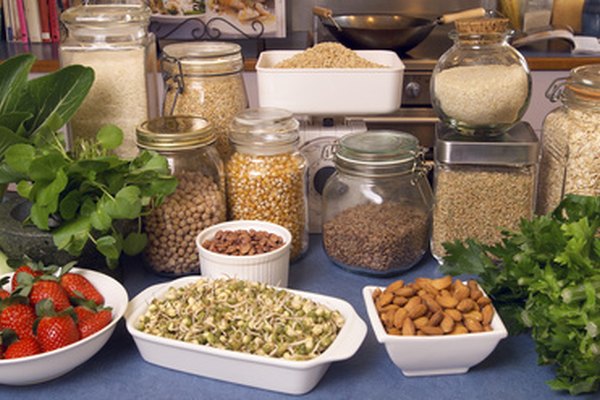
Boost your metabolism with complex carbohydrates in their most natural, or raw, form. This is simple with a lot of fruits and vegetables that we often prefer to eat in their raw state. However, there are other complex carbohydrates that we can also use in a natural form. These include barley, bran, brown rice, cornmeal, oatmeal and wheat germ.
Step4
Choose other complex carbs that will help to boost the metabolism like beans, cereals with wholegrains and/or high in fiber, corn and cornmeal, fruits, legumes, lentils, multi-grain pasta and bread, oats and oatmeals, peas, potatoes (white and yam), root vegetables, shredded wheat, whole wheat breads, flour, and pastas and much more. Again, it is best to keep these carbs in the most natural form possible. If you add a lot of sugars, honey, or other "sweets" or fatty things to them in the cooking process, you may undue the very properties that you are seeking.
Step5
Consume complex carbohydrates properly. It is better to keep your carbs closer to the first half of your day than the second half. This is generally the time when you are most active and therefore most likely to burn off those extra calories. For example, if you want to include whole grains in your diet, it is best to use them as a part of your breakfast regimen. That way, you get high fiber early in the day and begin an early jump start of your metabolism. You can also choose whole grain breads for your lunch or early morning snacks. Or, if you want pasta, choose a whole grain pasta mixed with root vegetables for a double impact. Dinner should contain lighter grain choices like brown rice, barley, beans, or legumes. Of course, another option is those root veggies that you like so much or even potatoes. However, complex carbs other than fruits should be avoided anytime after about 6:00 p.m.
Step6
Avoid mixing complex carbohydrates and proteins together as much as possible. Many believe that, because carbs and proteins digest differently, mixing them can cause havoc in the body as it tries to determine which to digest first. This confusion might slow down the metabolic process, thereby undoing the benefit of complex carbohydrates. Instead, choose either a meal high in protein with certain types of veggies or high in carbs with root vegetables. That way, the digestive and metabolic system knows the best way to achieve digestion and prevents it from storing a lot of excess fat.