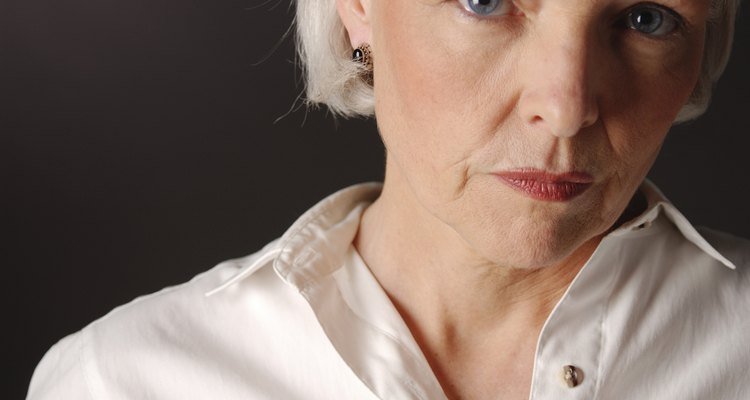
Take the Time You Need to Accept, Reflect and Acclimate
After a the loss of your spouse, it’s almost impossible to imagine that there will be a time when you’ll feel a little less alone and a lot better. But you will. Time will soften the pain and your family and friends can help lessen the heartbreak and remind you of all you're capable. It’s going to be hard, but you can thrive on your own.
Give Yourself Time to Grieve
Before you can adjust to living as a widow, you need to allow yourself time to process all you’ve been through. Whether you ascribe to the five stages of grief (denial, anger, bargaining, depression and acceptance) you will likely experience a swell of emotions that run the gamut. Allow yourself time to heal and hearken back to the strong and able person you always were.
Don’t Make Major Life Changes
In the throes of emotion and grief, you may have the impulse to throw all caution to the wind and change everything. After all, you’ve just been through one of the toughest, unanticipated, and most devastating changes in your life, so what’s one more? But experts agree that major decisions should not be made under emotional stress. Try to maintain as much sameness as you can for as long as you can. If you can afford to, stay in the same city and home, at the same job and among the same social circles.
Stick to a Routine
If you always woke up early and went to the gym, try to do it again. There’s probably a whole lot that just doesn’t feel normal any longer; a routine can give you the illusion of normalcy. Consider new routines, too. Maybe it’s just too painful to go to that favorite restaurant every Friday night. Is there a new tradition you could start with a friend?
Accept Help and Company
Adjusting to living alone can take time. It doesn’t have to happen all at once. Accept comfort and support from family and friends, even if that means having overnight company until you’re ready to go it alone. If you have adult children, go for a visit. A best friend? Invite her over for an overnight stay. No one says living alone as a widow has to start immediately.
Join a Support Group
You may be the only one you know who has lost a spouse, but you’re hardly alone. Find others who are on the same sort of emotional roller coaster as you, but farther down the track. What did they do to get through those first days, weeks and months of living along? Their good advice may be just what you need to weather the rocky ride. Even if you’re not ready to share with a group, consider a grief counselor or therapist to help you in the short term.
Avoid Self Medication
A glass of wine with dinner may be just what you need to take the edge off a long, lonely day, but turning to alcohol or medications to dull the pain is a dangerous precedent. Instead of drugs, try yoga, meditation or even exercise. Those are healthy alternatives that can help with anxiety, while they release healing endorphins.
Make Your Space Your Own
It’s okay to admit that he had quirky tastes or that you always hated his man cave. Now it’s time to reclaim some of the space you shared and design it to your taste. It may be difficult to believe it right now, but there may come a time in the not-so-distant future where another will come into your life and your home. Make it your own.
Related Articles

How to Turn an Emotional Affair Back ...

What to Do When a Spouse Leaves You

How to Know When I'm Ready to Date ...

How to Accept the Death of a Loved One

How to Build Trust After a Bad ...

How to Feel Secure in a Relationship

How to Keep Cool During a Partner's ...

How to Help a Girl Get Over Her ...

Can a Person Meet Someone Too Soon ...

How to Know if an Old Crush Still Has ...

How to Let Your Boyfriend Go & You Know ...

How to Date a Man Who Is Grieving the ...

Tips for Forgiving Your Best Friend

How to Spice Up a 20-Year Marriage

How to Stop Thinking About Someone ...

How to Get Over Someone You Love
How to Repair A Broken Marriage

How to Help Your Husband With the Death ...

How to Win Your Husband Back After an ...

How to Comfort Someone
References
Writer Bio
Linda Emma is a journalist and freelance writer, specializing in family, parenting, and relationship topics. She has been writing for more than 20 years. She currently works at a marketing agency and Endicott College, where she provides tutoring services and sage wisdom to undergraduates.
Photo Credits
Hemera Technologies/AbleStock.com/Getty Images