How to Make Organic Paint

By DanielZielaski

Rate: (2 Ratings)

The responsibility of maintaining a sustainable environment falls directly onto the shoulders of those individuals with the ingenuity and intellect to experiment with environmentally friendly products. For many of us the prospect of eco-friendly products may seem difficult. These products are usually difficult to locate or expensive when compared to synthetics. Despite these obstacles there are some products that can be made within the home and function in an identical capacity to their packaged eco-friendly/synthetic brothers. Among the products in question is organic paint. Organic paint, which can be purchased at any hardware store, consists of simple organic compound in the proper proportions to provide a finish and lasting power similar to that of regular paints. While most organic paints can cost up to $50 a gallon, it is entirely possible to produce organic paint within your home at a fraction of that cost.

Instructions

Difficulty: Moderately Easy

Things You’ll Need:

  • 1 cup bleached flour
  • 5 1/4 cups cold water
  • 1 cup screened clay
  • 1/2 mica filler powder
  • coloring materials (organic dye)
Step1
To begin place 1 cup of bleached flour into a large mixing bowl.
Step2
Add 5 1/4 cups of cold water to the flour.
Step3
Mix flour and water together with a kitchen whisk.
Step4
Mix into the flour/water mixture 1 cup of screened clay (this can be obtained from any art store).
Step5
Continue mixing with whisk until the mixture becomes as think as glue.
Step6
Mix into the flour/water/screened clay mixture 1 cup of powdered mica filler (this can be obtained from any art store).
Step7
Mix until the solution reaches a smooth texture.
Step8
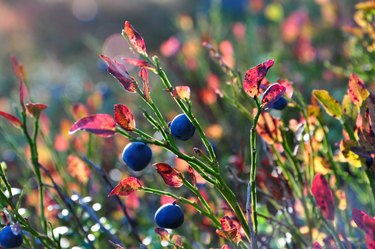
Add to the mixture any organic dyes or organic substances until desired color is reached (in place of organic dyes ground flower petals or berries may be used).

Tips & Warnings

  • Make sure to fully mix all components of the paint at each step of the process. If a single element does not fully mix with the rest of the solution the paint will may appear lumpy or spread unevenly.
  • Warning!!! Organic Paint can still stain your clothes. When most of us think of organics we think of materials that are not caustic or harmful. This is often a serious understatement. In the case of organic paints, organic dye, or an organic dye substitute, can often leave residue or stains on the clothing of those performing the experiment.
  • Warning!!! Organic Paint is not edible. Remember, just because organic paints are classified the same way that organic foods are classified does not mean they should both be treated the same way. Organic paints contain screened clays and powdered fillers as well as the possibility of dying materials.

Post a Comment

POST A COMMENT

Request a New How-To Article

Looking for more How To information? Chances are there’s an eHow member who knows how to do what you’re looking to do. Submit an article request now!

eHow Article: How to Make Organic Paint

Article By: DanielZielaski

DanielZielaski

Enthusiast Enthusiast | 300 Points

Category: Home & Garden
Articles: See my other articles

Related Ads

Home & Garden
Willi
Meet Willi Galloway eHow’s Home & Garden Expert.