eHow launches Android app: Get the best of eHow on the go.

How To

How to Treat Dog Pancreatitis

Contributor
By Melissa Maroff
eHow Contributing Writer
(20 Ratings)

Pancreatitis is a common disorder among dogs—and can become life threatening if left untreated—but the good news is it's normally fairly easy to control. Pancreatitis is basically severe inflammation of the pancreas, a gland located in the abdomen that aids in metabolism of sugar and digestion of nutrients. This article will focus on symptoms to look for, possible causes and treatments for canine pancreatitis.

Difficulty: Moderate
Instructions
  1. Step 1

    Look for the signs of canine pancreatitis which may include: lack of appetite or “picky” eating, vomiting, gagging, an oily, gray stool or diarrhea (that may contain blood), depression, weakness, excessive or little water drinking and abdominal tenderness.

  2. Step 2

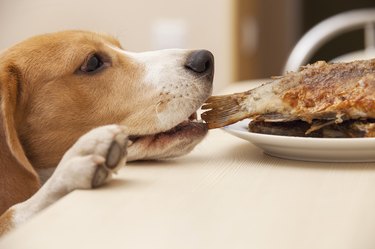
    Observe your dog's dietary habits, which can aid your vet in making a diagnosis. For instance, does he eat a lot of table scraps or get into the the garbage? Eating "off limit" foods may bring on pancreatitis.

  3. Step 3

    Bring your dog to the vet for a physical examination and blood panel if you suspect pancreatitis. The pancreas enzyme “numbers” will help your vet to make a diagnosis.

  4. Step 4

    Feed your dog an easily digestible, low-fat diet if the diagnosis is pancreatitis. Cooked or boiled chicken (no skin or bones) and rice is a safe choice to start out with. To ensure your dog gets additional nutrients many vets recommend mixing in a small amount of Hill’s Prescription Diet w/d or i/d canned formulas. There are other veterinary diets such as Royal Canin that have foods formulated for pancreatic health as well. After feeding the special diet for a week or two (depending on the severity of the pancreatitis) you can gradually work in your dog’s regular food. If it’s chronic pancreatitis your vet may recommend keeping your dog on the prescription dog food, or if you prefer, a low-fat homemade diet. If you choose the prescription dog food diet, you can gradually work in the dry version of the prescription formula and continue to feed canned mixed with dry or switch to solely dry. If your dog is obese your vet may prescribe a special dietary formula.

    For dogs prone to food allergies, a lower-fat, limited ingredient allergy formula like Dick Van Patten's Natural Balance Fish and Potato, Duck and Potato or Venison and Potato or perhaps the vegetarian formula may work better than Hill's Prescription Diet, which contains corn and chicken meal, both known to cause allergies in dogs.

  5. Step 5

    Give your dog small amounts of water frequently, especially if there's vomiting. Fluid therapy may be necessary if your dog becomes dehydrated.

  6. Step 6

    Administer any medication prescribed by your vet. If your dog has been vomiting, the vet will likely prescribe an antacid and/or medication such as reglan along with an antibiotic such as cephalexin, and perhaps a pain medication if necessary. Metronidazole is a weaker, secondary antibiotic that may be prescribed and is often an ongoing treatment for dogs with chronic pancreatitis.

  7. Step 7

    Return to your vet for repeat blood work and an examination after a round of medication is completed. Your vet may want to do a pancreas-specific blood panel. If the results are still not normal, your vet will likely prescribe further medication and possibly X-rays to detect a cause such as blockage. The vet might also want to do an abdominal ultrasound to eliminate the possibility of a pancreatic tumor (which is considered rare in dogs).

Tips & Warnings
  • No two cases of canine pancreatitis are alike and the exact cause is uncertain, but overweight dogs with a high fat diet are believed to be more at risk, therefore it is best to avoid table scraps and keep your dog on foods with a lower fat content. Stress is also thought to be a contributing factor, so keep your canine as stress-free as possible. Viral or bacterial infections and trauma or injury to the abdomen are other possible contributors to pancreatitis.
  • If your dog doesn't seem to enjoy the prescription or special food (many do), you can continue mixing in skinless chicken, turkey or another low-fat meat. You might also mix in warm water, chicken water or unsalted chicken broth for more appeal--or heat the food up in the microwave if it has been refrigerated (but make sure it's not too hot).
  • Websites such as RXPETFOOD.com and animalhousemagazine.com (see links in Resources below) deliver prescription dog foods to your home. This is helpful for people who aren’t able to transport the food from their vet’s office or live in an area where the food is unavailable. RXPETFOOD.com requires a pet owner’s confirmation that the food was recommended by their veterinarian.
  • Do not feed your dog high-fat treats while treating pancreatitis. Find out from your vet what (if any) treats are acceptable.
  • Prescription dog foods for treating pancreatitis, such as Hill's, contain corn gluten. Corn gluten may not be right for all dogs and could create digestion problems instead of curing them. If your vet prescribes one of these prescription diets long-term, you may want to discuss the corn issue or consult a holistic vet about alternative low-fat dog foods.
  • Pancreatitis is serious. Be sure to follow your vet's instructions for successful healing.
  • Even after pancreatitis clears up and the blood work results are normal, a dog may still show signs of digestion problems such as diarrhea or oily stool. This may be due to Exocrine Pancreatic Insufficiency (EPI), an enzyme deficiency that develops from chronic pancreatitis. If you suspect EPI, discuss it with your vet. Prescription enzyme supplements that come in powder, capsule or tablet form can be mixed in with your dog's food to regulate the condition.
  • Pancreatitis is considered to be overdiagnosed in dogs. You may want to seek a second opinion.

Comments  

bmmorris said

Flag This Comment

on 8/17/2009 I fed my dog, slowly, Halo Pet Food dry/wet. There was a bateria in the cans/wet and she got Pancreatitis. I have records from puppy age and she has never been overweight. My dog was hours from death. My dog's grandmother, mother, father, older and younger siblings do not have Pancreatitis.

bmmorris said

Flag This Comment

on 8/17/2009 My dog has never been overweight, her grandmother, father, mother, older and younger siblings do not have pancreaatitis. Since she was a puppy, my dog's records show her weight. My dog has had ALL the ingredients in Halo Pet Food. I fed my dog food with a bacteria in the cans.

bmmorris said

Flag This Comment

on 8/17/2009 Halo Pet Foods needs to step up to the plate and pay the Medical bill balance $3380.00. I fed my dog, slowly, Halo Pet Food. She almost died/MURDERED by eating Halo Pet Food, wet/dry. My ins. company paid $2500.00 for food contamnation.

Post a Comment

Post a Comment
  • Have you done this? Click here to let us know.
I Did This

Related Ads

Get Free Pets Newsletters

Copyright © 1999-2009 eHow, Inc. Use of this web site constitutes acceptance of the eHow Terms of Use and Privacy Policy.   en-US Portions of this page are modifications based on work created and shared by Google and used according to terms described in the Creative Commons 3.0 Attribution License.

eHow Pets
eHow_eHow Pets