Humans aren't the only ones who can suffer from GERD (gastroesophageal reflux disease) or similar digestive issues. Dogs are also susceptible to a bout of acid reflux now and then. However, it is important to note that GERD, while not unusual in canines, is often misdiagnosed. Any problems with the esophagus require veterinary examination. Signs of GERD can mimic other more common diseases of the digestive system.
Video of the Day
What is GERD in dogs?
GERD is a condition in which a dog's stomach contents flow up into the esophagus, the reverse of the direction they should be moving. In normal canines, the lower esophageal sphincter prevents backflow of food and digestive juices, but with GERD, they can move into the esophagus. Stomach acid contacting the lining of the esophagus can cause varying degrees of irritation and inflammation, as well as regurgitation. In severe cases, permanent esophageal damage can occur.
Video of the Day
What causes GERD in a dog?
There are several possible causes for GERD in dogs. The condition might result from a hiatal hernia, or it might be a side effect in a dog experiencing issues with constant vomiting and subsequent esophageal damage. The frequent reflux causes ulceration in the esophagus. Dogs undergoing an anesthetic procedure might develop GERD afterward from the placement of the breathing tube used to deliver anesthesia and oxygen during surgery. Dogs with chronic kidney disease can also experience GERD as a secondary condition.

What breeds are prone to canine acid reflux?
While any dog might develop GERD, brachycephalic breeds are the most susceptible. That's because they commonly suffer from respiratory issues due to the physical makeup of their head, which often results in upper airway obstruction. This condition is known as brachycephalic airway syndrome. The struggle to breathe can eventually result in a hiatal hernia, which causes GERD in these dogs. Brachycephalic breeds include the English bulldog, pug, Boston terrier, Pekingese, boxer, and Shih Tzu. The condition tends to affect younger dogs.
Symptoms of GERD in dogs
Clinical signs of GERD in canines include:
- Frequent regurgitation
- Excessive lip licking
- Drooling
- Halitosis
- Discomfort when swallowing
- Gagging
- Decreased appetite and weight loss
Dogs with GERD regurgitate their food, which might be difficult for some pet parents to distinguish from chronic vomiting. Regurgitated food never gets beyond the esophagus, while vomited food comes up from the stomach. One way you might be able to differentiate between vomiting and regurgitation is the dog's effort. You will see abdominal heaving if your dog is vomiting. If they are regurgitating, there is no retching or belly heaving, just fluid coming out of the mouth (or the dog will burp and swallow the fluid). Some dogs with GERD do vomit, especially the green stomach and intestinal fluids secreted when the animal is anticipating a meal.
How is GERD diagnosed in dogs?
To make a definitive diagnosis, your veterinarian will perform an esophagoscopy using a tool called a scope to examine your dog's esophagus. They can see if there is bleeding in your dog's esophagus or if there is an excessive amount of mucus. Both are indicative of GERD. The veterinarian must rule out other diseases that can cause regurgitation or vomiting, so your dog might undergo a number of tests, including bloodwork, urinalysis, and possibly X-rays or ultrasounds.
How to treat GERD in dogs
Your veterinarian will most likely recommend dietary changes for your dog. Your pet might initially need to undergo a day or two of fasting in order for the esophagus to heal. After that, they might suggest feeding your dog frequent smaller meals of low-fat and low-protein foods instead of regular dog food once or twice a day. This could include a prescription diet, and you will need to avoid giving your pet table scraps.
Your veterinarian can also prescribe medication to reduce acid reflux in dogs, such as famotidine or omeprazole, and medications to improve stomach and intestinal motility. Do not give your dog over-the-counter human antacid medication unless instructed by your veterinarian.
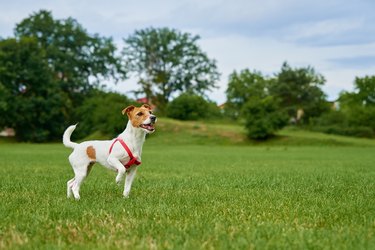
Brachycephalic breeds might require surgery to correct brachycephalic airway syndrome, which can reduce airway obstruction and alleviate other issues that come with the condition, including regurgitation. In addition, these dogs should be walked with a harness, not a collar, to avoid putting pressure on the neck.
The bottom line
If your dog is experiencing frequent regurgitation, drooling, excessive lip licking and swallowing, or chronic bad breath, they might have gastroesophageal reflux disease, better known as GERD. If you suspect this is the case, you should take your pet to a veterinarian. Once diagnostics confirm that your pet has GERD, your DVM will recommend treatment such as diet changes, special medication, and possibly surgery if your dog is a brachycephalic breed. GERD is fairly common in canines, but it should be addressed and treated promptly to alleviate symptoms, protect your pet's health, and prevent permanent esophageal damage.