

Type of Caulking for Baseboards

A variety of caulks are sold in home-improvement stores specifically for use with baseboards. The type of caulk you choose depends on whether you're dealing with wood trim, plastic trim, metal trim and beyond. In addition, there are various types of caulk for installation and other types of caulk for the finishing processes, such as filling the top joint where the baseboard meets the wall and has an exposed surface.
Acrylic Caulk
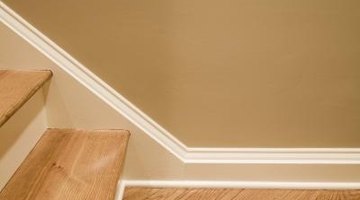
Acrylic caulk is one of the easiest types of caulking to work with because it cleans easily and is less sticky than its latex and silicone-based counterparts. It's not an installation adhesive but is a finishing caulking used to fill in the joint along the top edge of the baseboard where it meets the wall, or for inside and outside corners and along the floor if you're looking for additional protection. It doesn't provide heavy water protection, so it should only be used for areas such as bedrooms or hallways away from wet areas.
Latex Caulk
Latex caulks are very similar to acrylic caulks, and are considered the next step up. They're more useful in areas where water protection is required, due to the fact that the latex within the caulking helps provide water-shedding capabilities. In addition, latex has an additional flexibility component, allowing the caulking to adjust to seasonal movement over the course of a home's lifespan.
Silicone Caulk
Silicone caulking is one of the stickiest and most durable types of caulking sold on the market, but it can only be used with certain materials. It doesn't work well with wood baseboards, but for metal and plastic it's ideal. Silicone caulk is best reserved for those areas with heavy moisture and man-made baseboards and trims.
General Adhesives
General adhesives are products such as Liquid Nails, which are caulking-based adhesives that can be used in any type of general construction. You can use these on any number of materials, although they aren't finishing caulks. Instead, they're "roughing in" or installation caulks, used for actually adhering the product to its surface. The type of baseboard you're working with determines the type of adhesive caulk you buy.
Resources
Writer Bio
Tim Anderson has been freelance writing since 2007. His has been published online through GTV Magazine, Home Anatomy, TravBuddy, MMO Hub, Killer Guides and the Delegate2 group. He spent more than 15 years as a third-generation tile and stone contractor before transitioning into freelance writing.
Photo Credits
- Jupiterimages/Creatas/Getty Images
More Articles

