How To

How to Grow a Depression Garden

By WriterGig, eHow Member Rating
Depression Garden
Depression Garden
Rate: (74 Ratings)

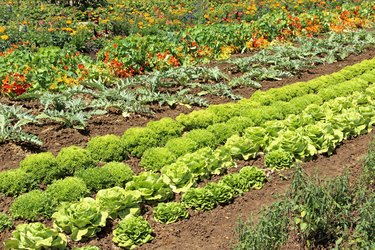
During the Great Depression, many grew food for their families, even in small suburban lots. These vegetable-producing patches were dubbed depression gardens by some, and the name stuck. Now that a recession is underway, some are predicting America's 2nd Great Depression. As food and fuel prices rise and jobs are lost, some fear these predictions could become a reality. Like the Victory Garden movement during World War II, families are embracing backyard gardening as a way to improve their personal economic stability and that of the nation. Get ahead of the game by starting your own depression garden now. At the very least, you'll have some delicious home grown produce. And if things get bad, your depression garden might save your grocery bill and feed your family. Here's how to grow a Depression Garden.

Difficulty: Moderately Easy
Instructions
  1. Step 1

    Make a list of vegetables, fruits and root vegetables to include in your depression garden. Choose vegetables that provide a good amount of nutrition and bulk. I recommend potatoes, onions, tomatoes, carrots, cabbage, lettuce and turnips for starters. Strawberries, peppers, watermelons and lettuce are great choices as well.

  2. Step 2

    Purchase seeds, seed potatoes and seed onions, as well as fruit tree stock and strawberry plants. For variety, look into heirloom breeds. Heirloom tomatoes and potatoes are worth splurging for; save the seeds each year for the most frugal gardening.

  3. Step 3

    Plant seeds in flats indoors to get a jump start on the growing season. This especially applies to tomatoes, peppers, eggplant and herbs, which can be seeded in late winter. A few weeks later, begin to seed broccoli, cantaloupe, spinach and lettuce. Peas, corn and potatoes will do best planted directly in the ground outdoors after the last frost.

  4. Step 4

    Prepare the soil in your garden. Turn over the soil, adding compost and well-composted manure in small quantities. Improve the soil with minerals or organic fertilizer. Remove rocks, debris and refuse from the garden.

  5. Step 5

    Plant some of your garden in pots or raised beds if you have poor soil conditions or not enough tillable land to fit everything. An herb container garden in pots by the kitchen door is convenient, and tomatoes grow well in large pots with plenty of sun.

  6. Step 6

    Enlist the whole family to maximize your garden efforts. Even children can help plant seedlings, and you'll find the quality time together has its own benefits.

  7. Step 7

    Eat and preserve your harvest throughout the summer and early fall. Make sure nothing is wasted. Can extra tomatoes, make strawberry jelly, and store potatoes in a cool, dry dark place. Onions likewise can be stored for use throughout the winter.

Tips & Warnings
  • Encourage your neighbors to garden as well. Swap produce when you have bumper crops of different types.
  • Learn about companion planting and permaculture to maximize your garden yields.
  • Rotate your crops. Potatoes must rotate every year and be out of a garden plot for two years before you plant them there again.

Comments  

| View All 60 Comments
Flag This Comment

on 4/10/2009 Great article! Growing a garden at this time could be very useful. 5*

Danarax said

Flag This Comment

on 2/8/2009 I have a lot of dry land and I will first have to figure out how to get some water on it, then I will plant a garden.
Thanks for the info...

lynsuz12 said

Flag This Comment

on 1/28/2009 I love to garden too. Plant potatoes in large pots. Toss used dirt into flower beds, not back in the vegetable garden. Start with new dirt every year.

wordstock said

Flag This Comment

on 1/11/2009 Well thought out article. This is stuff I know but haven't done in a long time. I love heirloom seeds and only use those. I don't like frankenfood.

ransomme said

Flag This Comment

on 10/28/2008 I think this is an awesome idea. The way things are going you have just issued "a word to the wise." Home grown herbs are always the best, I agree you might want to add them also. Great article!
Post a Comment

Post a Comment

Have you done this? Click here to let us know.

I Did This

Related Ads

Copyright © 1999-2009 eHow, Inc. Use of this web site constitutes acceptance of the eHow Terms of Use and Privacy Policy.

eHow Home and Garden
eHow_eHow Home and Garden