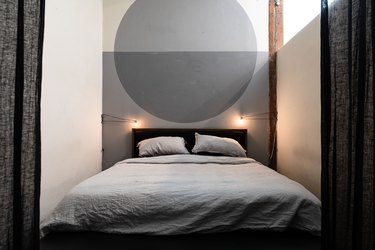
It's no secret that there's power in paint. It gives homeowners and renters alike the ability to completely transform a room or a piece of furniture with just a few coats. But there's more to it than just picking a color you like and slapping it on. Even before you choose the perfect shade, you have to select the right formula and paint finish to get the look you want.
There's a special paint for every project and room in your house, from ultra-durable options that are ideal for high-traffic areas (like hallways and playrooms) to enamel varieties that are specially formulated for kitchen cabinets. And believe it or not, the brand of paint you choose is just as important as the color. Feeling overwhelmed? Don't fret. Keep scrolling for 10 of our favorite paint brands that'll leave your project looking oh-so-profesh.
Video of the Day
Video of the Day
1. Behr Marquee
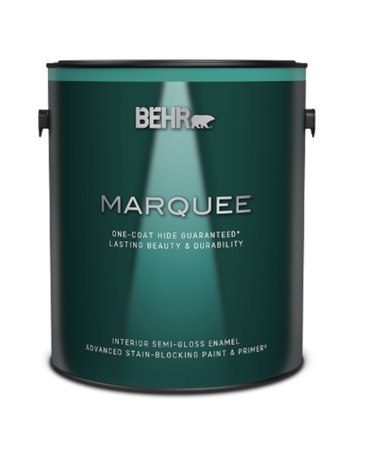
With over 1,000 colors it's almost a guarantee that Behr Marquee will have the perfect shade for your next project. It doesn't matter if you're painting an accent wall or a whole living room because the brand has an entire range of sheens from matte to semi-gloss, and even one specially formulated for ceilings. Not to mention its combined paint and primer formula will save you time and money. Try the Behr Color of the Year, an earthy terra cotta shade called Canyon Dusk, or the tried and true Smoky White, to instantly refresh your space.
2. Sherwin-Williams HGTV Home
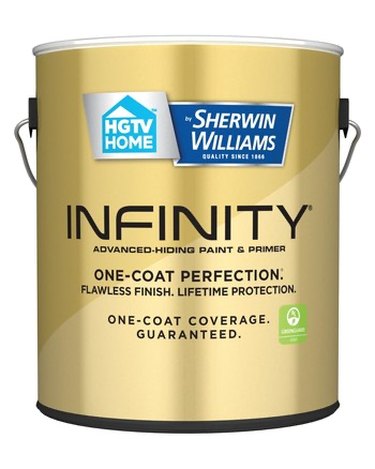
If you're someone who has a hard time selecting paint colors, the HGTV Home by Sherwin-Williams line has you covered. The selection is divided into designer-inspired collections where each shade works together in any combination. You'll be able to pick the entire palette at once without worrying if the colors will mesh well or not. The extra durable 100 percent acrylic-based formula makes this brand a great option for areas like mudrooms and hallways.
3. Benjamin Moore Regal Select
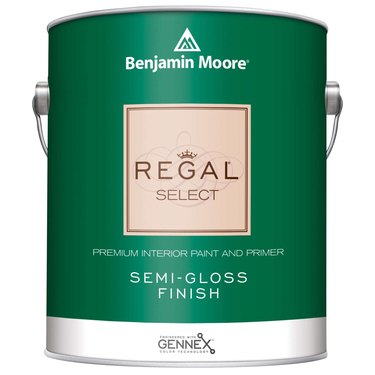
This high-quality paint is mildew-resistant and features stain release technology that makes clean-up a breeze. An ideal choice for trim work and doors, Benjamin Moore Regal Select boasts excellent coverage and a smooth application that virtually eliminates pesky brush strokes and disguises slight imperfections. The creamy shades White Dove and Decorator's White are design staples that will add character to your home and make it look like it just jumped out of a high-end magazine.
4. Clare
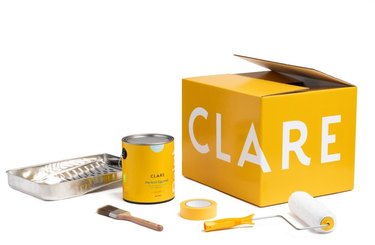
If you're on the hunt for the best eco-friendly paint out there, then look no further than the newcomer, Clare. The brand's selection is made up of zero-VOC paint (or volatile organic compounds) — which are chemical combinations that can release harmful gases into the air even after the paint is dry — making it a no-brainer for nurseries and play rooms. The self-priming paint comes in a curated color range of 12 neutral hues including the bright white shade Fresh Kicks and a perfect greige aptly named On Point. The brand also offers peel-and-stick paint swatches, so you'll be able to see exactly how it'll look on the wall before you start your painting project.
5. Rustoleum Mate Interior Chalked Paint
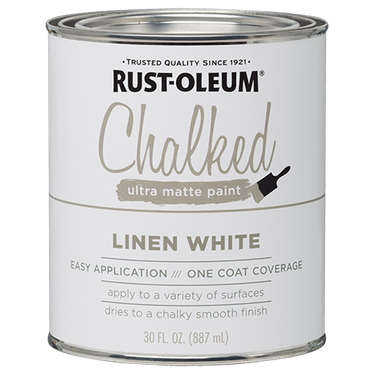
Breathe new life into an old piece of furniture with chalk paint. There's no sanding or priming required and the matte finish is perfect for farmhouse-style projects. The Rustoleum Chalked Paint has great coverage and most pieces only need one coat of paint. After it's dry, lightly scuff your finished piece with sandpaper for a distressed look and apply a protective topcoat of clear wax.
6. PPG
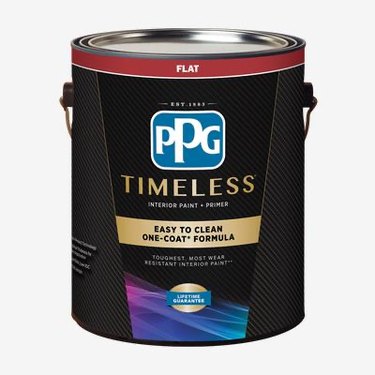
Boasting the toughest, most wear-resistant finish, this line by PPG won't let you down. The paint includes a proprietary blend of technology often used in automotive and industrial coatings making the colors stain- and fade-resistant. Rather than having a single color of the year, the company selected a palette of the year made up of three colors that can be easily mixed and matched. We've got our eye on Misty Aqua, a light teal color, which would look great in a small powder bathroom.
7. Royal Ace
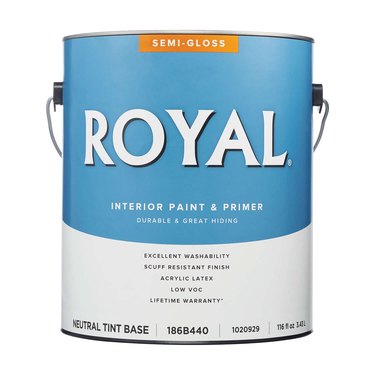
Get a smooth finish without breaking the bank when you choose the Royal paint line from the retailer Ace Hardware. The low-VOC formula is scruff-resistant and great for things like trim work and doorways that always seem to need touch-ups. Go for a bright white shade to keep things looking fresh and clean.
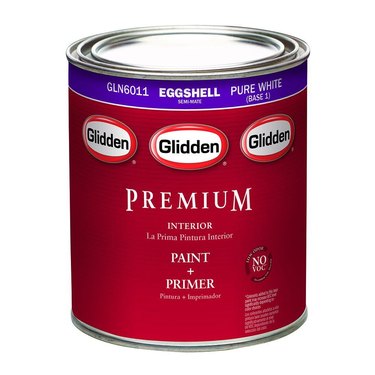
Repainting a room can be a tricky home improvement project, especially if you're going from a darker shade to a lighter one, but Glidden's paint and primer combo is specially formulated to be thicker for excellent coverage and easier application. Both mold- and mildew-resistant, it's ideal for spaces where moisture is inevitable like kitchens or bathrooms. Did we mention it's also backed by a lifetime guarantee? You just can't go wrong with this line of interior paint.
9. Valspar Cabinet Enamel
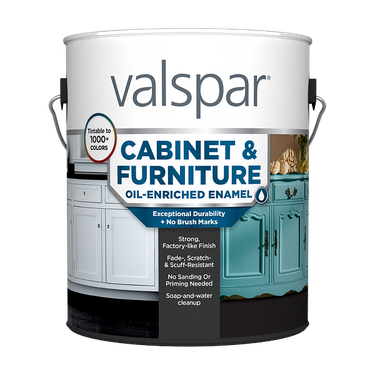
Repainting your kitchen cabinets is an easy way to breathe new life into your cook space, but it's a big job. Make sure that you select paint that is up to the task, like Valspar Cabinet and Furniture Enamel. This oil-enriched paint is extra durable and dries to a hard finish so it won't show any pesky brush marks. It's available in satin- or semi-gloss and promises a smooth factory-like finish that'll have everyone thinking you hired a team of professionals to transform your culinary headquarters.
10. Dutch Boy Dura Clean
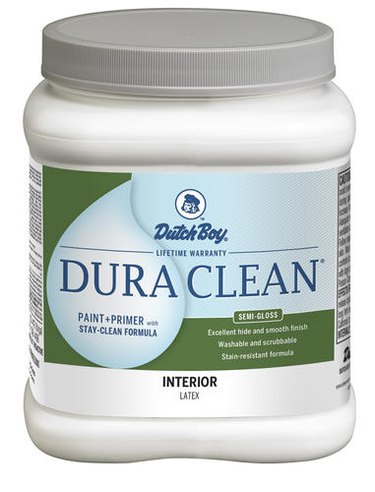
There's nothing worse than seeing dirty smudges on your freshly painted walls, but with Dutch Boy Dura Clean paint you don't have to stress. This brand is washable, scrubbable, and stain-resistant, so your space will always look its best. And with a dry time of only one hour, your project will be able to withstand even the roughest treatment in no time. You'll thank yourself later for coating high-traffic areas of your house, like the entryway and guest bathroom, in this durable and easy-to-clean paint.