eHow launches Android app: Get the best of eHow on the go.

Click Here
How To

How to Remove Oxidation From Oxidized Plastic Headlights

Member
By sjs7475
User-Submitted Article
(38 Ratings)
Headlight Restoration After Using A Headlight Cleaner Or Repair Kit From The Headlight Solution, http://www.headlightsolution.net Quickly And Easily Removes Oxidation, Pits, And Scratches
All Information And Photos Provided By Headlight Restoration And Repair Specialists--The Headlight Solution, Remove Oxidation From Oxidized Headlights

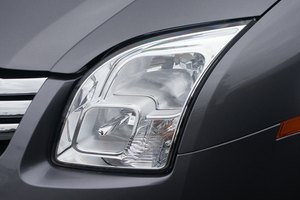
Ever wanted to know how to remove oxidation from oxidized / yellow headlight lenses? Is easy, there is no magic polish, no magic cream, or magic de-oxidizer its just common sense and being educated about the problem at hand. Plastic headlights go bad because the UV coating that the manufacturer put on the headlight lens wears down after about 2-3 years making the lens look cloudy, foggy, and yellow giving that oxidized appearance. Along with the discoloration / oxidation, the headlight lens takes a beating from the environment such as UV rays, car exhaust, extreme temperatures, harsh chemicals, and debris. This beating leaves the headlight lens with scratches, pits, and a gritty feel, and all of which inhibits light output necessary for safe night driving. All that needs to be done is to remove the "bad" layer of plastic to reveal a "new" layer of plastic then seal the new lens with a new UV coating to prevent future oxidation from returning.

Difficulty: Moderately Easy
Instructions

Things You'll Need:

  • Plastic Headlight Lens Cleaner
  • Bucket Of Soapy Water
  • Gloves
  • Blue Painters Tape / Or Automotive Tape
  • Several Grades Of Wet Sanding Paper (600-2500)
  • Fine Plastic Polish / Oxidation Remover
  • UV Inhibitor Coating / Sealer
  • Shop Towels
  • Microfiber Cloth
  1. Step 1

    Judge Damage / Severity Of Oxidation And Discoloration Of The Headlight Lens.

  2. Step 2

    Mask Headlight With Blue Painters Tape To Protect Your Vehicles Finish.

  3. Step 3

    Clean The Headlight Lens With A Plastic Headlight Lens Cleaner Before Wet-Sanding Making The Lens Free Of Contaminants (Bugs, Tars, Dirt, etc.)

  4. Step 4

    Wet-Sand Headlights With Wet-Sandpaper Keeping The Sandpaper Wet Periodically.......That Is The Key To Wet-Sanding. Choose Grit Based On Severity Of The Lens. (Work Your Way Up In Grit, Example, 600==>2000)

  5. Step 5

    Apply Plastic Polish To Lens To Remove Any Oxidation And Scratches Left Behind From Wet-Sanding.

  6. Step 6

    Clean The Lens Again Using Plastic Headlight Lens Cleaner To Remove Polish Residue From The Lens. ( This Is Now A Preview Of The Finished Lens---If Not Satisfied, Go Back To Step 4).

  7. Step 7

    Seal The Lens With UV Coating/Sealer.....This Is The Most Important Step, Because The UV Coating/Sealer Protects The Headlight Lens From Future Oxidation / Degradation Of The Lens.

Tips & Warnings
  • There is many things available to the consumer today to remove oxidation / yellowing of the headlight lens. Such as polish designed for plastics, but keep in mind that most headlights on the road today have far exceeded just oxidation / yellowing. They have compromised their protective coating from the manufacturer.
  • Once the headlight becomes scratched, pitted, and has a gritty texture to the lens you must restore the lens.
  • There is no magic polish, no magic de-oxidizer, that will restore the lenses. You must simply remove that "bad" layer of plastic--the old UV coating from the manufacturer by a mechanical process, ie--wet-sanding the headlight lens to reveal a "new"/ "virgin" layer of plastic.
  • Then most importantly one must seal the lens with a new UV coating to prevent future degradation of the headlight lens.
  • All solutions are paint safe...never buy a product to restore or remove oxidation of your headlight lenses that is not paint safe. If it's not paint safe it is most likely not safe for your plastic headlights either.
Resources
Subscribe

Post a Comment

Post a Comment

Related Ads

Local Listings
  • Have you done this? Click here to let us know.
I Did This
Get Free Cars Newsletters

Copyright © 1999-2009 eHow, Inc. Use of this web site constitutes acceptance of the eHow Terms of Use and Privacy Policy.   en-US Portions of this page are modifications based on work created and shared by Google and used according to terms described in the Creative Commons 3.0 Attribution License.

eHow Cars
eHow_eHow Cars