How To

How to Grow Potatoes in a Garbage Can

Member
By GreenGardenChic
User-Submitted Article
(226 Ratings)
Grow Potatoes in a Garbage Can

Why in the world would anyone want to grow a crop of potatoes in a plastic garbage can? Well let me tell you, potatoes grow deep, and it's hard to dig them all out! Plus, they like soft, well prepared soil that's easy for them to root in. Then of course, they're space hogs, eating up precious planting room in the veggie garden. Last, but not least, potatoes should never be planted in the same place year after year, because they infect their own soil and cause next years crops to get blight (anyone remember a little potato famine that knocked down the population of Ireland?).

So for those of us who don't have much space in our gardens and can't or don't like to dig giant holes looking for our food, this is a great alternative. And for the city gardener, growing potatoes in garbage cans is perfect.

Difficulty: Moderate
Instructions

Things You'll Need:

  • A clean 30 gallon plastic garbage can.
  • A drill with a 1/2 inch bit.
  • Seed potatoes available from your local nursery(store bought potatoes are often treated to keep them from sprouting).
  • Good quality, well draining potting soil. 3 cubic feet or 1 large bag.
  • Organic vegetable fertilizer with a lower nitrogen content (nitrogen causes the leaves to grow fast and big but keeps those tatoes teeny weenie). Look for a 5-10-10.
  • Compost.
  1. Step 1
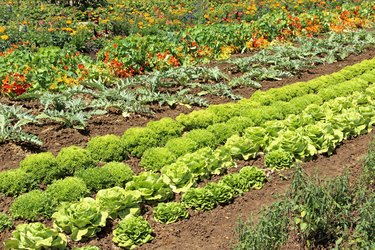
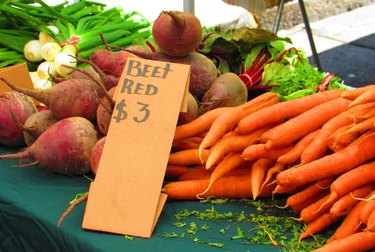
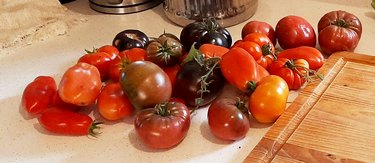
    Grow new kinds you can't find at the grocery store.
    Grow new kinds you can't find at the grocery store.

    Turn your garbage can upside down and drill several holes in the bottom of the can. Add a few around the outside wall, 3 to 6 inches up from the bottom. It's really important to have good drainage or your potatoes will rot in a hurry.

  2. Step 2
    Good soil is the key ingredient.
    Good soil is the key ingredient.

    Dump about 2/3rds of your bag of potting soil in the can. Mix in 1 cup of your fertilizer and set aside.

  3. Step 3
    This potato could be cut into at least 4 pieces.
    This potato could be cut into at least 4 pieces.

    For your seed potatoes, small ones can be planted whole. The larger potatoes should be cut up into pieces with no less then 3 "eyes" per piece ("eyes" being those brown dimples that the roots will grow out of). Let your potatoes dry out on the cut side before you plant them.

  4. Step 4

    Once your cut potatoes have cured, plant them in your can 5 inches apart and cover with the remaining soil. You'll only need 4 starts to a can. Set the can in an area that receives 4 to 6 hours of direct sunlight.

  5. Step 5

    Water thoroughly and keep the soil moist but not soggy during the growing season. Don't let the soil dry out or you'll end up with misshaped potatoes. On the hot summer days, your potato garbage can might even need to be watered daily (you might move the can to a slightly shadier location on the hottest days).

  6. Step 6
    Potato flowers.
    Potato flowers.

    As the plants start to grow in the can, mound up compost around plant stems keeping the leaves uncovered. They grow a little more, add some more compost. You'll be able to fill up the entire can with compost by the end of the growing season. Keep it watered.

  7. Step 7
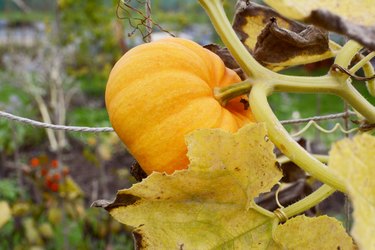
    Fall harvest.
    Fall harvest.

    At harvest time, you can wait for the flowers to start to fade and grow what looks like berries. Harvest a few potatoes now, by reaching into the soft soil and picking a few, then covering everything else back up with compost. These early potatoes are "new potatoes" and they spoil quickly, so eat them now. For your bigger, storing potatoes, wait to harvest after the green plants have turned brown and dried up or died back. Just dump the entire can over (onto a tarp, maybe) and pick out your potatoes. The soil can be collected and added to a flower garden. You just don't want to plant potatoes, tomatoes, peppers, or eggplant in that potting soil/compost because the soil will likely harbor some insects or disease from this season’s crop.

Tips & Warnings
  • I usually plant my potatoes around St. Patrick's Day (I'm in zone 8)
  • Clean and dry your late harvest potatoes and store in a cool dark area (38 to 40 degrees).
  • Store for up to 6 weeks depending on the variety.
  • Practicing good crop rotation keeps soil born diseases from spreading and allows lean soils to naturally become rich with nutrients. Potatoes can pass on Verticillium, Sclerotinia, and scab in the soil that would infect tomatoes, peppers, eggplant, and other potatoes. Cabbage, lettuce, and herbs would happily grow in old potato crop soil.
  • Potatoes absorb everything around them, so start out with healthy organic soils, fertilizers, and compost. Avoid pesticides.

Comments  

| View All 105 Comments
Flag This Comment

on 11/1/2009 St. Patrick's day is about 6 weeks before zone 8's last frost date...

natashab said

Flag This Comment

on 11/1/2009 Thank you for the clear and concise directions; I will now be looking forward to starting my first crop. I do have 1 question. You state you plant around St. Patrick's day in zone 8; I am a weak zone 5, what tempature do you recomend starting in?

kando59 said

Flag This Comment

on 10/25/2009 So interesting and easily done! I like the idea of being able to shift the 'crop' into the shade on hot days. Thanks.

Flag This Comment

on 9/15/2009 A very informative article with a lot of details so that anyone can grow potatoes in a garbage can. Thank you.

Flag This Comment

on 7/12/2009 Wow...really interesting way to grow potatoes...I'll have to try that next time I plant. Thanks for an excellent article.

Post a Comment

Post a Comment
  • Have you done this? Click here to let us know.
I Did This

Related Ads

Home & Garden
Ruby Bayan,

Meet Ruby Bayan eHow's Home & Garden Expert.
Get Free Home & Garden Newsletters

Copyright © 1999-2009 eHow, Inc. Use of this web site constitutes acceptance of the eHow Terms of Use and Privacy Policy.   en-US

eHow Home and Garden
eHow_eHow Home and Garden