Elmarjani/iStock/Getty Images
Over time, the clear skin of youth can be damaged by discoloration from various causes. Among the many unwelcome signs of aging are brown spots that appear on the face, hands and elsewhere. In addition to hyperpigmentation brought on by excessive sun exposure, brown spots can also be the result of genes, smoking, hormonal changes and a variety of health conditions. A dermatologist can recommend prescription products as well as in-office treatments to fade brown spots, but inexpensive home remedies -- used with patience and persistence -- can help diminish their appearance.
What Causes Brown Spots
Age spots -- also called liver spots or brown spots -- are the most common skin spots and are generally caused by years of exposing the skin to the ultraviolet light from the sun. In the outer layer of skin, the epidermis, resides the melanin that gives skin its color. Exposure to sunlight speeds up melanin production, causing skin to turn tan to protect itself from further damage. After years of exposure, clumps of melanin form that are darker than surrounding skin.
Bleach With Lemon Juice
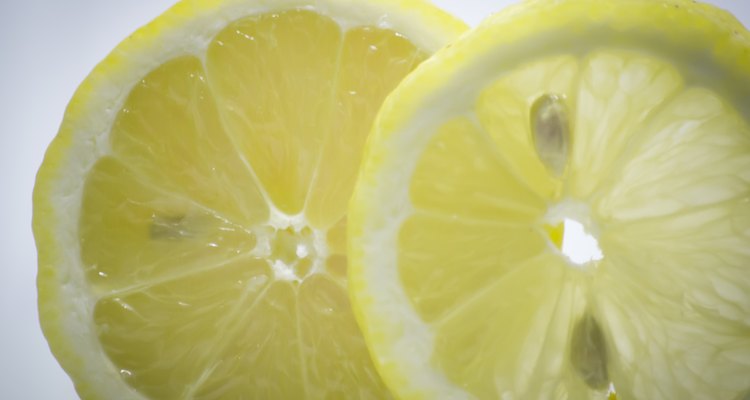
Lemon juice has been used for years as a bleaching agent for hair as well as skin. Apply fresh lemon juice two times a day. Leave the juice on the affected area for 30 minutes, then rinse it off with cool water. Use the process for at least two months. To avoid irritation to sensitive skin, dilute the lemon juice with water or honey before applying it.
Fade With Dairy
Another remedy dating back to the days of Scarlett O’Hara is buttermilk, which contains lactic acid. Apply the buttermilk to the spots and leave it on for several minutes, then wash it off with cool water. Mix an equal amount of tomato juice -- which also contains citric acid -- with the buttermilk for extra fading results. Plain yogurt is another beneficial dairy product. Apply a yogurt mask to a clean face and allow it to dry for 20 minutes before rinsing.
Try Other Home Remedies
A number of natural remedies use different vegetable juices, vinegar or both. Mix equal parts of onion juice with apple-cider vinegar and dab it onto the skin with a cotton ball. Dilute white or apple cider vinegar with an equal part of water; apply it with a cotton pad and allow it to dry on the skin. Or grate a raw potato and apply the juice to the brown spots. Each of these remedies requires time and continued use to produce results.
Go Over the Counter
While many commercial fading products are pricey, inexpensive creams for fading spots can be as effective if used regularly and as directed. Products containing alpha-hydroxy acids -- glycolic, lactic or citric acids -- or hydroquinone or retinol may prove useful in fading darkened patches of skin. L-ascorbic acid, an effective form of vitamin C, is also helpful. Some OTC bleaching creams can cause irritation or redness. The best way to be rid of brown spots is to avoid getting them in the first place -- wear sunscreen and protective clothing, and avoid sun exposure between 10 a.m. and 2 p.m.
Related Articles

List of Retinoids

Can Tri-Luma Be Used to Fade Acne Scars?

Can Age Spots Be Reversed?

Does It Help to Treat a Scar With Honey ...

How to Even Out Skin Tone Without Makeup

Why Does Ink Come Out of a Tattoo?

What Are the Dangers of Photofacials?

Fraxel Laser Treatment Dangers

Papaya & Acne
Turmeric, Lemon & Honey

How to Prevent Pock Holes From ...

What Are the Benefits of Lemon Juice ...
The Best Facial Moisturizers for People ...

Homeopathy Cure for Stretch Marks

How to Make a Homemade Facial Hair ...
Homemade Remedies With Turmeric

Can Any Home Remedies Get Rid of Acne ...
The Best Way to Remove Hair Dye
Homemade Face Masks for Glowing Skin

How to Make Sugaring Wax
References
Writer Bio
As a long-time newspaper reporter and staff writer, Kay Bosworth covered real estate development and business for publications in northern New Jersey. Her extensive career included serving as editor of a business education magazine for the McGraw-Hill Book Company. The Kentucky native earned a BA from Transylvania University in Lexington.
Photo Credits
Elmarjani/iStock/Getty Images