
How to Stay Safe in a Mobile Home During a Tornado
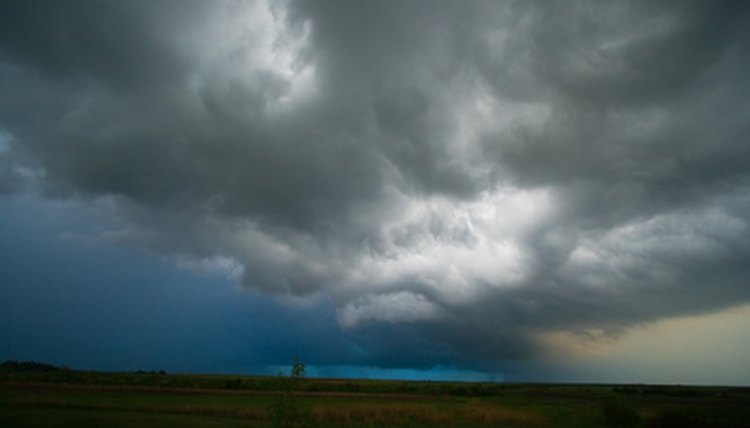
Since as many as half of all tornado fatalities occur in mobile homes, it is important for mobile home dwellers to know what to do when a tornado is in the area. Mobile homes are constructed to be light and easily moved, and this can be a problem when it comes to being safe in a tornado. The National Weather Service is always on the lookout for severe weather, and tornado warnings typically give residents an average of 18 minutes to get prepared for oncoming storms. It is important to know what to do and where to go before a tornado strikes.
Leave the mobile home if possible. According to the National Weather Service, there is absolutely no safe way to remain in a mobile home during a tornado. Tornadoes are too strong for mobile homes, even ones that are well-anchored.
Drive to a community shelter if you have time. In cases where a tornado warning has been issued, but not yet sighted, this is an option. If the tornado has been sighted close by, do not leave by car.
Take shelter in a permanent, sturdy home or building if there is one nearby. The safest place in a large building is on the lowest floor, away from windows. The basement, interior hallway or under a stairwell are the safest places in a house.
Run outside away from trees and cars. Find low ground and lie down flat, with hands clasped behind your head to protect the back of the head. This is safer than staying inside of a mobile home, although seeking a permanent building for shelter is preferred.
Tie down swing sets and other loose yard items. When staying in a mobile home is the only option, keep movable items tied down. Do this in advance. There is no time to secure items when a tornado has been sighted.
Install an underground shelter under the mobile home. These shelters can be installed in one day, and greatly improve the odds of survival in a tornado. This option may not exist if the land is rented. If so, check with the landlord to see if he would be willing to have a storm shelter installed on the property.
Tips
Develop a plan so you will know what to do when tornadoes strike. Practice this plan often with your children.
Check with mobile home park management to find out if there is a storm-safe building located on the premises.
Warnings
Do not try to stay inside of a mobile home during a tornado. It may seem strange to leave the security of your home, but mobile homes are not a safe place to be during tornadoes.