







How to Recover Sore Muscles

By Fossman

Rate: (4 Ratings)

Exercise is great, but sore muscles can be debilitating. If you exercise regularly, soreness is likely mild and brief. However, many people exercise in spurts, meaning they're active for a few days or weeks and then take a few days or weeks off. Either way, sore muscles result and they can be painful, distracting and sometimes make you walk funny. Get back to 100 percent as quickly as possible with a few healthy tips.

Instructions

Difficulty: Moderate

Things You’ll Need:

  • Water
  • Potassium or foods containing it
  • B vitamins, specifically vitamin B1

Step1
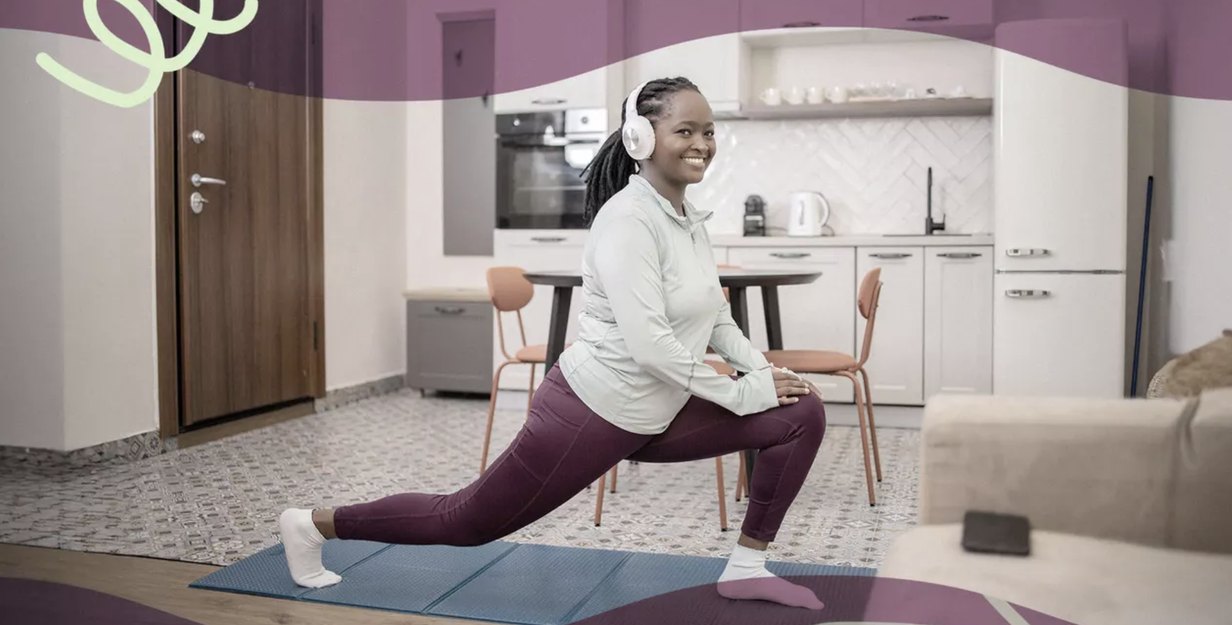
Stretch before exercising. And don't limit it to the muscles you think you're exercising. For example, just because you go for a run doesn't mean you don't have to stretch your upper body as well. Most exercise routines, no matter how muscle-specific they may seem, tend to impact the whole body, even if in small doses.
Step2
Regulate your breathing during exercise. Uneven breathing can prevent oxygen flow to the muscles, cause you to tire quickly and ultimately require the muscles to work overtime.
Step3
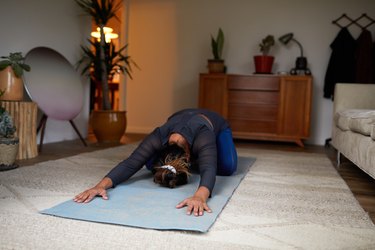
Stretch after exercising. Where the pre-exercise stretch should serve as a warm-up, this stretch should be much longer while the body cools down. The stretching actually gradually cools down the body, keeping the muscles active. If the body cools too quickly, the muscles tighten up that much faster. This keeps them loose.
Step4
Drink water. Dehydration can exacerbate soreness.
Step5
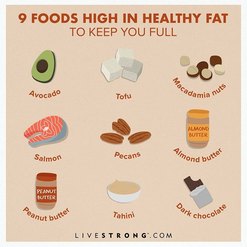
Eat potassium. Most people don't have potassium lying around. But they do have bananas. Eat one or two an hour or so after exercising.
Step6
Eat B vitamins. A vitamin B complex (supplements containing the range of all eight B vitamins) is great, but not necessary--and expensive. Vitamin B1 is the most important. This is thiamine, deficiencies of which can cause muscle soreness. Post-exercise soreness isn't necessarily a lack of thiamine, but bolstering your thiamine levels can help.
Step7
Stay active. Many allow sore muscles to be an excuse to move less. In fact, inactivity can perpetuate soreness. It's best to operate business-as-usual. You everyday movement actually serves as ongoing stretching for the muscles. It can help restore your range of motion and ability much quicker.

Tips & Warnings

  • Be sure to rest, as well. Not to the point that you're not active, but maintain healthy sleep patterns.
  • Keep exercising. Don't let sore legs prevent you from running the next time. The stronger, more flexible and familiar with exercise your muscles are, the more resilient they'll be.
  • Steer clear of massage as a muscle-recovery device. Massage is a good once-a-week routine, but doesn't necessarily help recover sore muscles. The soreness stems from a breakdown in the muscle tissue. Deep massage actually breaks down the muscle tissue, as well. So, massage immediately after exercise can actually (though, not usually) be damaging.

Post a Comment

POST A COMMENT

Request a New How-To Article

Looking for more How To information? Chances are there’s an eHow member who knows how to do what you’re looking to do. Submit an article request now!

eHow Article:  How to Recover Sore Muscles

eHow Member: Fossman

Fossman

Enthusiast Enthusiast | 1130 Points

Category: Sports & Fitness

Articles: See my other articles

Related Ads

Sports & Fitness

JoeRivera
Meet Joe Rivera eHow’s Sports & Fitness Expert.