

Carpet Tile Problems

Table of Contents
Carpet tiles (squares of carpet) are a good alternative to traditional carpet or rugs. Throw rugs typically cover only a specific area of the floor and can move underfoot. If traditional carpet gets stained or damaged, repair can be difficult and expensive.
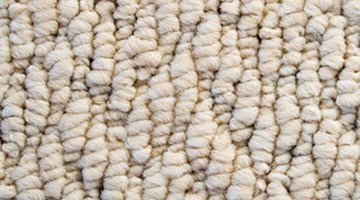
With carpet tiles, it's just a matter of replacing a single tile. Of course, while carpet tiles have some advantages over rugs and full carpets, there also have their problems.
Lack of Cohesiveness
One of the central problems with carpet tiles is that sometimes they look like what they are: small squares of carpet stuck together. Paying careful attention to proper positioning and installation can help to prevent this. Tiles with shorter pile will be more likely to show imperfections. Denser piles will help hide imperfections. Take those factors into consideration when choosing carpet tiles. You can set the options side by side to make the best comparison.
Curling
Carpet tiles can suffer due to their modular nature in terms of wear. Full room wall-to-wall carpeting will come up at the edges, if at all. Since each carpet tile is like a separate little carpet, it's possible for the edges to come up off the floor. In other words, on a full room carpet you have four edges, but with tiles, it's four edges per tile. That can make it look worn, but more importantly can also cause a trip hazard.
Mildew
Carpet tiles are less resistant to mildew due in part because of the lack of carpet pad. Also, water can get under at each of the seams. For that reason, they shouldn't be used in areas that are prone to mildew. Some manufacturers make carpet tiles that are treated against mildew. This is another way that purchasing the right product can save you trouble down the road.
Less Dense
While there are variants within the two types of carpet, in general carpet tiles have less dense pile than full carpets do. That means it's easier to run your hands through the pile. While many think that makes it a good carpet, the truth is that carpet that resists your hands is better because it is more durable. For this reason, the carpet tiles are more susceptible to crushing and unraveling than full carpets are.
Installation
One of the advantages to carpet tiles is the fact that it doesn't need a professional to install it. Of course, that can be a disadvantage, too. While you can install carpet tile fairly easy, the process is not completely immune to problems. Most carpet installers won't do them because they are labor intensive. You need to be careful on positioning because they need to be close and straight, but not so close that they will bunch up. Poorly installed tiles will start to come up from the floor and might also have gaps between the tiles.
References
Photo Credits
- woolen carpet texture image by Tolbxela from Fotolia.com
- woolen carpet texture image by Tolbxela from Fotolia.com
More Articles

