
How to Prone Float
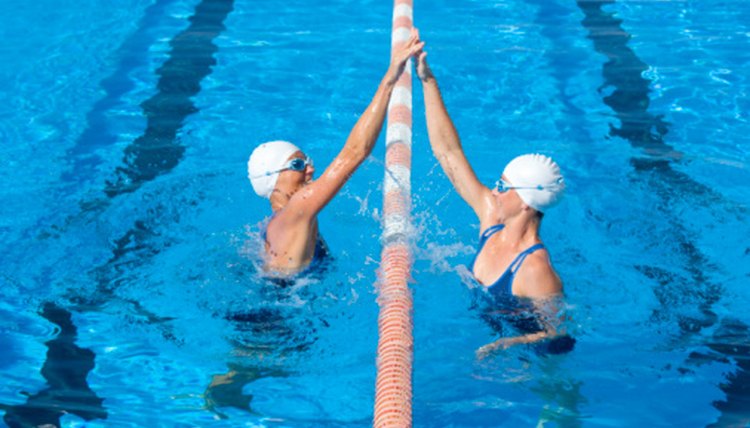
The prone float is also known as the dead man’s float. It is one of the first techniques beginning swimmers learn. Because it is a technique in which the face is submerged in the water, the prone float helps beginners become accustomed to that sensation and to build confidence in the water. In addition, the prone float allows the swimmer to see the bottom of the pool so he knows where he is going. The prone float is the starting position for common swim strokes such as the crawl and breaststroke.
Stand in the shallow end of a swimming pool. The water should come only to your chest. If you are uncomfortable or unfamiliar with your face under water, wear a swim mask and adjust it snugly to keep water out of your eyes.
Inhale and fill your lungs with as much air as you can. Hold your breath.
Bend at the waist in a slow, deliberate motion until your face is in the water. At the same time, place your hands on the front of your thighs. Do not put your entire head under water, only your face.
Slide your hands down your thighs toward your ankles until your feet come off the bottom of the pool. You will begin to float with your back horizontal with the water’s surface.
Extend your legs behind you. Extend your arms in front of you until you are completely prone in the water. Keep holding your breath.
Draw your knees into your chest while pulling your arms toward your body to end the prone float. Stand up again on the pool bottom in a deliberate motion. Let the air out of your lungs when your face comes out of the water.
Tips
Prove to yourself that you cannot sink to the bottom even if you tried. Place a coin in the bottom of the pool and stand on it as you prepare to prone float. As you slide your hands down your legs, try to keep going and pick up the coin. You will not be able to do it, proving you cannot sink to the bottom.
Warnings
If you do not know how to swim or are uncomfortable with being in the water, never try any swimming techniques without a partner present.
References
- “Swimming: Steps to Success”; David G. Thomas; 2005
- “Scouting Magazine”; Learn to Swim; no author listed; May-June 1982
Tips
- Prove to yourself that you cannot sink to the bottom even if you tried. Place a coin in the bottom of the pool and stand on it as you prepare to prone float. As you slide your hands down your legs, try to keep going and pick up the coin. You will not be able to do it, proving you cannot sink to the bottom.
Warnings
- If you do not know how to swim or are uncomfortable with being in the water, never try any swimming techniques without a partner present.
Writer Bio
Karren Doll Tolliver holds a Bachelor of English from Mississippi University for Women and a CELTA teaching certificate from Akcent Language School in Prague. Also a photographer, she records adventures by camera, combining photos with journals in her blogs. Her latest book, "A Travel for Taste: Germany," was published in 2015.