







eHow launches Android app: Get the best of eHow on the go.

How To

How to Change Your Diet to Help Fibromyalgia Suffers

Contributor
By Kathy Bruins
eHow Contributing Writer
(6 Ratings)

Fibromyalgia is a condition that little is known about, in fact, many doctors do not want to diagnosis the condition, because of not knowing exactly how to treat it. Everyone who suffers from fibromyalgia knows that it is trial and error in treatment. Much of the research done draws a pattern of the benefits of changing the diet of the one with fibromyalgia. Listed below are some steps to try in regards to seeking relief through diet.

Difficulty: Moderately Easy
Instructions

Things You'll Need:

  • Paper or journal
  1. Step 1

    Journal the foods you currently eat. If you eat red meat, a lot of sugar, drink coffee or diet drinks that contain aspartame, white potatoes, fast foods, highly processed foods, MSG, alcohol, and citrus fruits, these are some areas that you may want to try to cut way down on or eliminate from your diet.

  2. Step 2
    foods high in magnesium
     
    foods high in magnesium

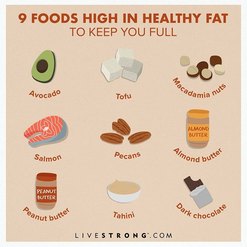
    Now let's look at foods that may be beneficial to you to consume. Magnesium helps muscles become more flexible. Very few multi vitamins has any magnesium in them. Caffeine will deplete the magnesium in the body. Foods high in magnesium are pumpkin seeds, brown rice, spinach (canned or fresh), almonds, Brazil nuts, sweet potatoes, bran cereal, beet greens, halibut, swiss chard, buckwheat flour, cashews, soybeans, tuna, black beans, Pollock, tofu, navy beans, okra, artichokes, and dry roasted peanuts. Water is very beneficial in the treatment of fibromylgia. Taking a B complex vitamin could also be very beneficial. Remember to take this with food or you may feel nauseous. Using herbal teas can be beneficial, especially the type that help relieve stress as the B vitamins do. This is important because it is found that the chemical dopamine that is in your body is released when pain or stress is experienced. If anxiety or stress is continually experienced, it depletes the dopamine in your body, which means more pain will be felt. Restorative sleep is also important for increasing the dopamine in the system.

  3. Step 3

    Since irritable bowel syndrome (IBS) is a symptom of fibromyalgia, it is important to stay away from foods that will aggravate those conditions such as dairy, spices, fatty foods, beans (you'll have to evaluate the amount of beans you eat...they are both good for you for magnesium, but can irritate IBS symptoms.) Also, eat in a nice quiet environment and eat slowly. Enjoy your food. Check out WebMD to find out more about IBS.

  4. Step 4

    Keeps records of what you eat, changes made, and benefits felt.

Tips & Warnings
  • It is always a good idea to work with your doctor on your diet.
Resources

Comments  

jull14 said

Flag This Comment

on 7/6/2009 Wonderful article and very helpful for many of us.Very well detailed article! Well written!Nice article and good advice. thanks

grove said

Flag This Comment

on 6/1/2009 Great tips about how to cope with Fibromyalgia. Thanks for writing!

IcyCucky said

Flag This Comment

on 4/13/2009 Great tips, very helpful!

Kallicat said

Flag This Comment

on 1/19/2009 Good tips to share with my friend who has fibromyalgia.

Subscribe

Post a Comment

Post a Comment

Related Ads

  • Have you done this? Click here to let us know.
I Did This
Get Free Health Newsletters

Copyright © 1999-2010 eHow, Inc. Use of this web site constitutes acceptance of the eHow Terms of Use and Privacy Policy .   en-US Portions of this page are modifications based on work created and shared by Google and used according to terms described in the Creative Commons 3.0 Attribution License. † requires javascript

Live Strong Partner
Livestrong_eHow Health