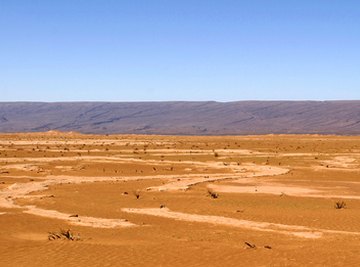

Water is one of earth’s most precious resources, and nowhere is there more awareness of its scarcity that in desert environments. For people who are living in the desert, the art of water conservation becomes crucial, and there are many and varied ways to reduce water consumption and waste in these arid areas.
Plant a Dessert Garden
According to Desert USA, desert plants have become adapted to living in arid conditions surviving conditions of extreme heat and dryness as well as lack of water. Desert plants are not all cactus, so planting a desert garden doesn’t have to involve prickles—but it will help to save water in a desert environment, especially if you plant with species native to the area. Native species always needs less water than species grown out of their natural habitats, as stated on Earth Easy.
Put in a Deck
Lawns take an inordinate amount of water to keep green and healthy, so instead of suffering with a wilted dry lawn, put in a deck. A well-designed decking has the advantage of making the outdoor space usable in both day and night, with lighting; and can be partially covered to help keep the area cool in the desert heat. A deck reduces the need for lawn and gardens, so reduces the need for water.
Shower Timer
While long showers may be relaxing, they should be considered a luxury by everyone, but especially those living in the desert. Shower timers are usually small hour glasses calibrated for a minute or two, that suction onto the shower recess. Spot-showering every alternate day is another way to conserve water without compromising hygiene—many places where running water is not available do this as standard by simply using a bucket and a cloth and cleaning themselves from the water in the bucket, rather than a running tap.
Recycle Washing Water
According to the City of Tampa water information, the average washing machine uses around 55 gallons of water each wash. The water from washing cycles can easily be used for washing the car, watering the garden (provided you use biodegradable detergent) and combined with a gray water recycling system can be put back into use in the house for flushing the toilet and other household uses.
Bucket or Dry Clean
In a desert environment, it is absurd to wash the driveway or the car with a hose. In every case possible, dry cleaning methods, such as sweeping or air-pressure should be substituted, or hand detailing with a cloth for the car. If there is a case where water use is unavoidable, then use the water caught from a washing cycle, or from the shower and hand clean with a bucket.
References
Resources
About the Author
Lenna Allen began her writing career for her college newspaper in 1999. Allen is a marketing specialist and freelance writer for several online publishers including eHow.com. Allen holds a Bachelor of Arts in communication and digital technology from Washington State University.
Photo Credits
desert image by AlexQ from Fotolia.com