How to Train Your Puppy Not to Chew

How to Train Your Puppy Not to Chew thumbnail
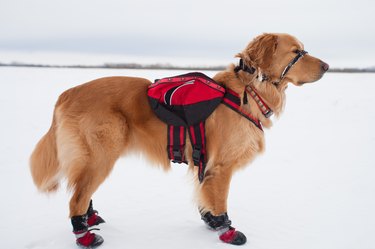
Exercise puppies a minimum of 20 to 30 minutes every day to avoid boredom.

Bringing home a new puppy requires patience and dedication from the owners. Prepare ahead of time and learn training techniques that help curb undesirable habits such as puppies chewing on inappropriate or valuable items. Chewing is natural for puppies and should not be discouraged, however there are steps you can take to satisfy your puppy's desire to chew while keeping your house intact.

Things You'll Need

  • Chew toys
  • Dog crate
Show More

Instructions

    • 1

      Remove valuable or easily accessible items away from the puppy. Puppies are curious by nature and use their mouths to explore new territory. Puppy-proof the home before bringing in a new puppy, to decrease the likely-hood of chewing accidents. Remove pillows from couches and draw up curtains from within reach of the puppy.

    • 2

      Purchase chew toys to satisfy puppy teething. It is normal for puppies to teeth up to anywhere from six to 12 months of age. Chew toys with ridges help to soothe the gums of a teething puppy. Give the puppy chewable treats or put peanut butter on a chew toy to attract the puppy to it instead of inappropriate items.

    • 3

      Consistently correct the puppy when it mouths an inappropriate object. Allowing the puppy to chew on objects, then later reprimanding him can cause confusion. Redirect chewing behavior at the precise moment that it is exhibited, to avoid confusion. Clap loudly or drop a book on the floor to startle the puppy when he is chewing on an inappropriate item. Consistent training is integral to eliminating unwanted behavior in puppies.

    • 4

      Discourage tug of war games or allowing puppies to chew on your hand. Puppies will attempt to chew on almost anything while teething, including the hands or clothing of the owner. Tug of war creates a mouthing habit in puppies, which can lead to biting and serious injuries when they are older. When the puppy bites you, exaggerate that you are hurt with a loud shriek and immediately give him an appropriate chew toy.

    • 5

      Avoid leaving the puppy alone around valuable items. While training a puppy not to chew on items, it requires your immediate attention at the time he displays the behavior. Limit the areas where the puppy is allowed to access while he is alone. Use a dog crate if confinement to a room is not feasible. Never use a dog crate to punish the puppy. Feed the puppy in the dog crate to create a positive association with it.

    • 6

      Give the puppy plenty of exercise. A bored puppy will entertain itself, often at the expense of the owners' belongings. According to Tufts Animal Behavior Clinic, aerobic exercise also stimulates the production of serotonin in the brain, a neurotransmitter that helps to stabilize mood and produces feelings of contentment, which can help relax an otherwise anxious or aggressive dog. Exercises such as taking long walks, fly ball and swimming are good for puppies, but running or jogging can lead to skeletal and muscular problems. A regular exercise regime can create feelings of contentment and allow the puppy to exert pent-up energy.

Tips & Warnings

  • If your dog is not neutered or spayed yet, make sure to get this procedure done as soon as possible. Generally animals tend to calm down once they have undergone this minor outpatient surgery.

  • Always remember to spread your puppy's toys out around the house before you leave. Let them see you doing it so they know that their toys are everywhere and they have something to chew on.

  • Never use extreme physical force when disciplining your puppy, no matter the crime. Even if they have chewed up your prized possession, they have no comprehension of this. They know only that they have chewed it and it was tasty. In order to effectively train your animal you will have to communicate with them on their level.

  • Not enough toys lying around for your puppy to chew usually means that many of your things may be converted to a chew toy. The more toys the better.

Related Searches:

References

  • Photo Credit Chris Amaral/Digital Vision/Getty Images

Comments

You May Also Like

Related Ads

Featured