







How to Cope with Anxiety After Child Abuse

By FaithAllen

Anger that has no outlet turns internally against the child abuse survivor, manifesting itself as anxiety. Anger that has no outlet turns internally against the child abuse survivor, manifesting itself as anxiety.

Rate: (2 Ratings)

Many adult survivors of child abuse struggle with anxiety. Survivors of child abuse often have trouble relaxing and face issues like obsessive compulsive disorder (OCD). In many cases, the anxiety is fueled by repressed anger. Because the anger has no outlet, the anger turns internally against the child abuse survivor, manifesting itself through anxiety-driven disorders. As the child abuse survivor learns to express his anger in a safe manner, his anxiety will ease. Here is how to cope with anxiety after child abuse.

Instructions

Difficulty: Moderately Challenging

Things You’ll Need:

  • CD of relaxing music
  • Vanilla-scented candle
  • Yoga mat

Step1
Recognize that you have repressed anger. Many adult survivors of child abuse are so disconnected from their repressed anger that they believe they do not have the ability to feel this emotion. If you were abused and have not yet processed your anger, you have anger festering inside of yourself that is contributing toward your anxiety.
Step2
Provide your anger with an outlet. Do something physical, like punch pillows, beat the ground with a baseball bat, write an angry letter to your abuser (but do not send it) or take a kickboxing class.
Step3
Surround yourself with the scent of vanilla. The scent of vanilla has a calming effect. Keep a vanilla-scented air freshener in your car, and light vanilla scented candles in your office and bedroom.
Step4
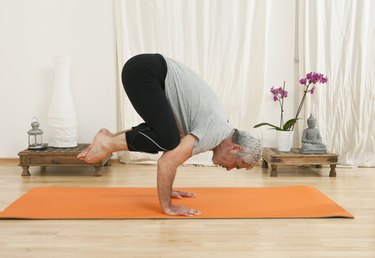
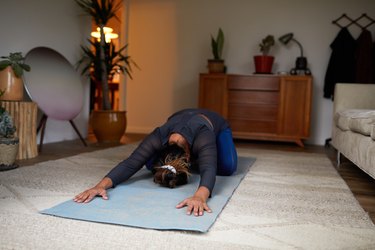
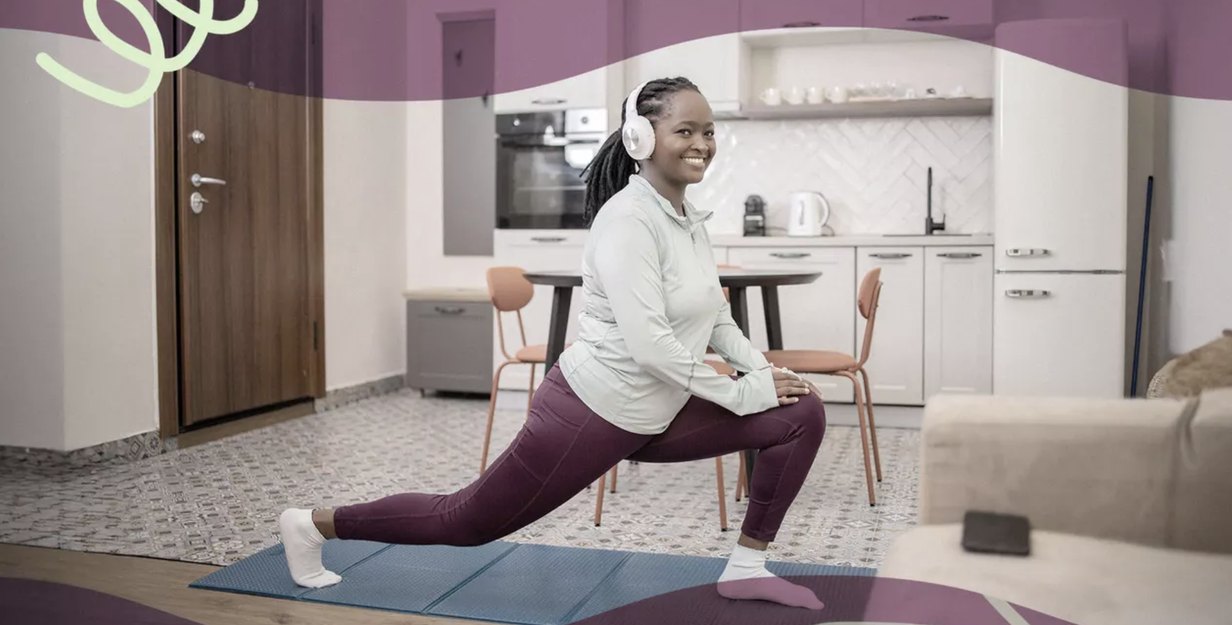
Practice yoga daily. The deep breathing and stretches involved in yoga slow the heart rate and calm anxiety. Focus on asanas (positions) that keep your head below your heart, such as the downward facing dog pose. Play relaxing music on your CD player while doing yoga to encourage your body to relax further.
Step5
Practice meditation daily. Meditate immediately after doing yoga. Practice silencing your inner chatter so that your mind and body can fully relax. As you develop this skill during meditation, you can learn to silence your internal chatter throughout the day.
Step6
Tell yourself that you are safe. People who struggle with anxiety often have a running dialog in their heads that fuels the anxiety. Replace this internal chatter with calm and soothing messages, such as, "I am safe," or "I am in an adult body." Tell yourself these internal messages multiple times a day.
Step7
Breathe deeply. Make a conscious effort to slow down your breathing each time your anxiety increases. Whenever you become anxious, your breathing becomes more shallow and rapid. By intentionally slowing down and deepening your breathing, you signal your body to release the anxiety.

Tips & Warnings

  • Overcoming anxiety will not happen overnight, but you can live a more calm life with practice.
  • The more you process your anger in a safe manner, the less anxiety you will feel.
  • Finding a qualified therapist with experience in counseling people with your abuse history is an important part of healing from child abuse. Your therapist can provide you with additional tools for coping with anxiety.
  • Blow out the candle before you get into bed.

Photo/Video Credit

(c) Lynda Bernhardt

Comments

| View All Comments
Flag This Comment

on 5/16/2008 Great advice Faith.

View All

Post a Comment

POST A COMMENT

Request a New How-To Article

Looking for more How To information? Chances are there’s an eHow member who knows how to do what you’re looking to do. Submit an article request now!

eHow Article:  How to Cope with Anxiety After Child Abuse

eHow Member: FaithAllen

FaithAllen

Enthusiast Enthusiast | 1100 Points

Category: Health

Articles: See my other articles

Related Ads

Health

DrJewell
Meet DrJewell eHow’s Health Expert.