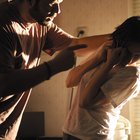
Being in an abusive environment is dangerous and causes many problems for those involved. The abusers may not even consider their behavior, or actions, to be abusive although those around them have to suffer the negative consequences of such actions. Although you may love your abusive family member, it is never safe to stay in any abusive situation.
Identify the type or types of abusive behavior. Abuse isn’t always physical, there is also emotional abuse, verbal abuse, sexual abuse, financial abuse, and neglect. If a family member is abusing you in any of these ways, you need to tell someone that you can trust. Sometimes other family members may accuse you of lying so, it may be helpful if you’re able to talk to someone who doesn’t have any emotional attachment to the abuser.
Document the abuse. This includes taking pictures of any bruises or marks that result from the abuse. Also include dates and times if possible. Keeping written documentation of the abuse is helpful to the police and legal authorities because it shows a trail of abuse and can be used as evidence to prove the abuse occurred. Be sure to keep any pictures and written documentation in a place where the abusive family member can’t find it.
Offer to get the abusive family member some professional help. There are several reasons why some people may be abusive. Although no reason makes it right to abuse, he may be able to get help for whatever is causing his abusive behavior. Alcoholism, drug addiction, or being a past victim of abuse himself, can be some of the reasons why the person has become abusive. If he admits he has a problem and agrees to get help, you can offer your support. If he denies being an abuser and is offended by your offer to get him help, you need to look out for your own best interests.
Make an escape plan to get away from your abusive family member. If you’re a parent and have children, you need to take with you. Plan an escape for a time when your abuser will not be home. The planning may take awhile because you need to gather important documents such as birth certificates, passports, money, and other personal items for your escape. Ask someone you trust to help you plan your escape and inform your children's school of the situation so it will know not to let the abuser pick up your children.
Go to the police. If possible, call the police as soon as you can once the abuse has occurred. You can file a police report, press charges, and get an order of protection against the abusive family member. For your safety, you may want to change the locks or stay with friends or other relatives until the situation is settled.
Call an abuse hot-line. Hotlines will connect you with helpful services in your area. The hot-line may provide free legal counseling to abuse victims and help you to get away from the abusive situation. If you're a child calling to report parental abuse, a child welfare worker will come to your home to investigate the situation and remove you from the home if necessary. If the abusive family member can't be removed from the home, then the person who is being abused needs to be removed from the environment as soon as possible.
Related Articles

How to Get Out of an Abusive ...

Steps to Get Out of an Abusive ...

How to Stop Your Neighbor From Bullying

How to Get a Verbally Abusive Boyfriend ...

How to Stop Emotional Abuse Post Divorce

How to Get Out of an Abusive ...

How to Help Victims of Domestic Violence

How to Know if a Marriage Is Worth ...

When to Leave an Emotionally Abusive ...

How to Deal With Bad Neighbors Who ...

How to Get an Ex-girlfriend Out of Your ...

How to Ignore a Ranting & Raving Husband

How to Overcome an Abusive ...

Divorcing a Needy Husband
How to Respond to a Personal Threat

How to Cope When Your Adult Children ...
Checklist for Leaving an Abusive Husband

How to Deal With an Abusive Sibling

10 Steps to Overcoming an Abusive ...

How to Deal With a Hot Tempered Person
Writer Bio
Nico Riley has been a professional writer since 2006 with work appearing on various websites. Riley holds an associate degree in criminal justice from Harold Washington College and a Bachelor of Arts in sociology from the University of Illinois at Chicago. She enjoys writing on topics about society, culture, health, self-help and entertainment.